
The Scariest Problems Found During a Home Inspection (And What Buyers and Sellers Should Know)
Last Updated: October 20, 2026
You found a house you love.
The kitchen is beautiful. The layout is just what you wanted. You've already started imagining where your furniture will go.
Then the home inspection report arrives.
And suddenly, things get a little scary.
With Halloween right around the corner, I thought this would be a good time to talk about something that can give both homebuyers and sellers a fright: unexpected problems discovered during a home inspection.
I've been helping buyers and sellers throughout Northwest Indiana since 2017, and one thing I always emphasize is that no house is perfect.
Even beautifully maintained homes can have issues hiding behind the walls, beneath the floors, or up in the attic.
But here's the important part: Not every inspection problem is a dealbreaker.
Some findings are routine maintenance items. Others deserve further investigation. And a few can involve significant safety concerns or expensive repairs.
Let's look at ten of the scariest problems that can show up during a home inspection, what they might mean, and how buyers and sellers can respond.
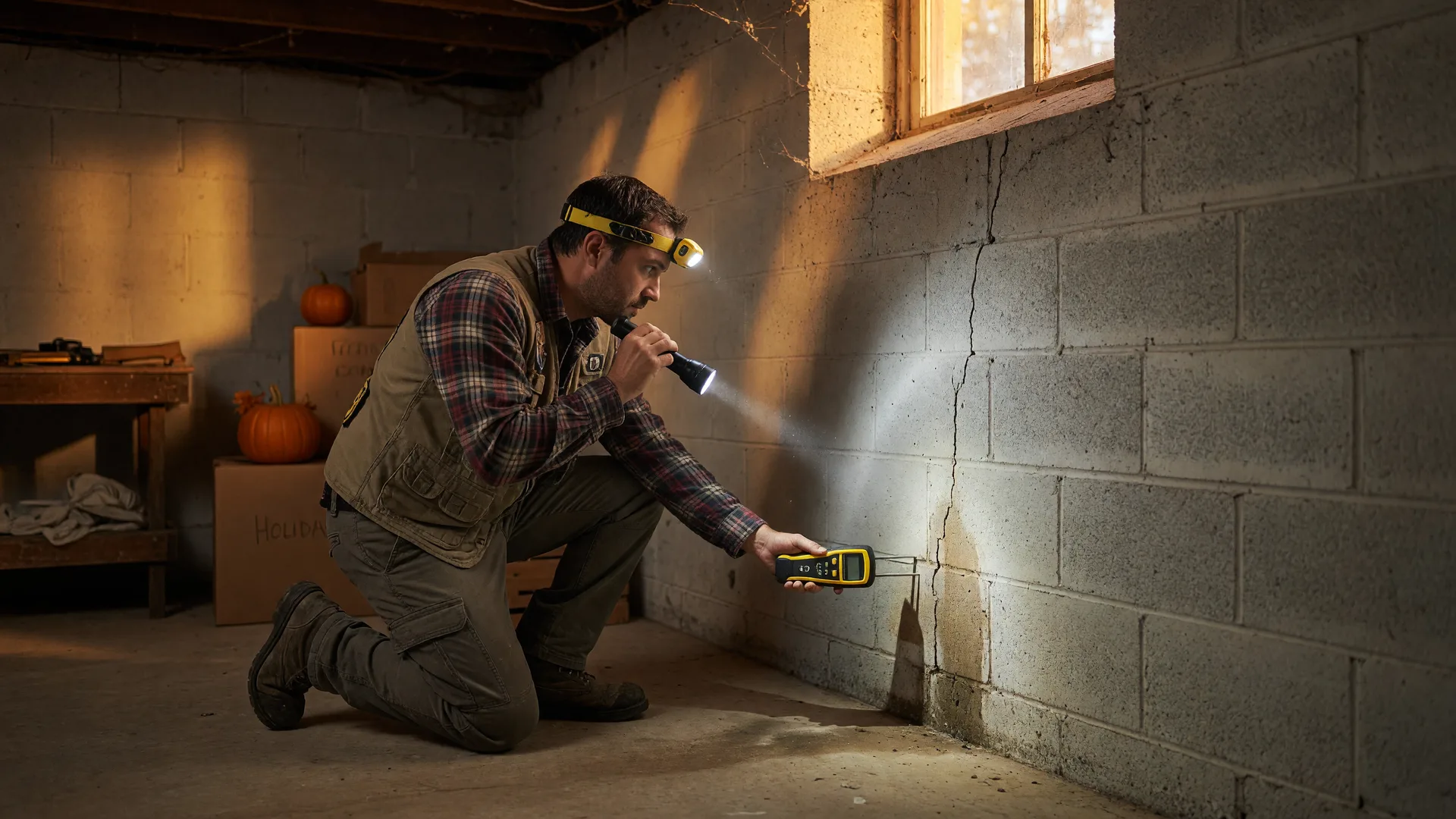
1. Foundation Cracks and Structural Problems
Let's start with one of the findings that can make a buyer's heart sink: a potential foundation problem.
Not every crack is a sign of structural failure. Small cracks can develop as concrete cures or as a home experiences normal movement over time.
But certain conditions deserve closer attention, including large or widening cracks, bowing basement walls, significantly uneven floors, doors and windows that no longer operate properly, and signs of ongoing water intrusion.
These conditions don't automatically mean the home is unsafe, but they may indicate movement or other issues that require professional evaluation.
For buyers: If an inspector identifies a possible structural concern, consider having a qualified structural engineer or appropriate specialist evaluate it before making a decision.
For sellers: If you're aware of foundation problems, address your applicable disclosure obligations honestly and keep documentation of completed repairs.
My advice: Don't assume every crack is catastrophic, but don't dismiss evidence of significant movement either.
2. Roof Leaks and Hidden Water Damage
A roof can look perfectly fine from the street and still have problems.
Missing or damaged shingles, deteriorated flashing, improperly sealed roof penetrations, and aging materials can allow moisture into a home.
Sometimes the first evidence appears inside, as water stains on ceilings, damp attic insulation, or damaged wood.
Water damage can be particularly concerning because the visible stain may be only part of the story.
For buyers: Ask about the roof's age, repair history, and signs of active leaks. A qualified roofing contractor can evaluate concerns identified during the inspection.
For sellers: Address known leaks before listing when possible, and retain repair documentation.
My advice: A roof doesn't need to be brand-new, but buyers should understand its condition and likely repair or replacement needs.
3. Mold and Moisture Intrusion
Few words make buyers more nervous than mold.
But the most important question isn't simply whether mold-like growth is visible.
It's why moisture is present in the first place.
Possible sources include plumbing leaks, basement seepage, roof leaks, condensation, and inadequate ventilation.
You might notice musty odors, staining, damp surfaces, or visible growth.
A general home inspection may identify signs of moisture or suspected microbial growth, but it typically isn't a comprehensive mold assessment.
For buyers: Significant moisture or suspected mold may warrant further evaluation by a qualified professional.
For sellers: Cleaning or covering a stain without correcting the moisture source may leave the underlying problem unresolved.
My advice: Finding and correcting the moisture source is essential to preventing recurring problems.
4. Electrical Problems That Could Be Safety Hazards
Electrical issues aren't always obvious during a showing.
The lights work. The outlets seem fine. Everything looks normal.
But an inspection may reveal exposed wiring, improper connections, missing electrical box covers, signs of overheating, or inadequate safety protection.
Older homes may have electrical systems that warrant further evaluation, particularly when modifications have been made over the years.
An older electrical panel isn't automatically unsafe because of its age, but certain equipment or installation conditions can present legitimate concerns.
For buyers: Potential fire or shock hazards should be evaluated by a qualified electrician.
For sellers: Improper DIY electrical work can create inspection problems and should be professionally corrected when necessary.
My advice: Electrical safety isn't something I'd recommend guessing about.
5. Sewer Line Problems Hiding Underground
Here's one that can catch buyers completely off guard.
The sinks drain. The toilets flush. Everything seems to be working.
But what's happening in the sewer line beneath the property?
A standard home inspection generally doesn't include a camera inspection of the underground sewer lateral.
A separate sewer scope may reveal tree root intrusion, cracked piping, pipe separation, significant blockages, or low spots where wastewater collects.
Depending on the location and severity, repairs may range from maintenance to excavation and pipe replacement.
For buyers: Consider whether a sewer scope makes sense, especially with older piping, mature trees, or a history of drainage problems.
For sellers: Keep records of previous backups, sewer repairs, and relevant maintenance, and comply with applicable disclosure requirements.
My advice: Working drains during a showing don't tell you everything about the underground sewer line.
6. Furnace and HVAC Problems
In Northwest Indiana, our heating systems work hard during the winter.
So discovering a significant furnace problem during an inspection can be especially concerning.
An inspector may identify problems with operation, venting, visible deterioration, or other safety-related conditions.
Some findings call for routine servicing. Others may require prompt evaluation.
Suspected combustion venting problems or possible carbon monoxide hazards should never be treated as minor maintenance issues.
For buyers: Ask about the equipment's age, service history, and condition. If the inspection raises concerns, request evaluation by a qualified HVAC contractor.
For sellers: Routine maintenance and service documentation can help buyers understand the system's condition.
My advice: An older furnace isn't automatically a dealbreaker. What matters is whether it operates safely and what repairs or replacement costs may be ahead.
7. Plumbing Leaks and Deteriorating Pipes
Sometimes the biggest plumbing concerns aren't the ones you can see.
A slow leak beneath a sink may be easy to address.
But moisture inside a wall, corrosion in concealed piping, or a recurring leak can lead to extensive damage.
Home inspectors may identify visible corrosion, leaking fixtures, water stains, drainage concerns, or signs requiring further investigation.
For buyers: Pay attention to the location and extent of any leak, not just the cost of replacing a fixture.
For sellers: Fixing known leaks and documenting professional repairs can help prevent surprises.
My advice: A small plumbing repair and a long-standing hidden leak are two very different situations.
8. Attic Problems: Ventilation, Insulation, and Hidden Damage
The attic probably isn't the first place you're excited to see when touring a house.
But it can reveal a lot about how a home has been maintained.
Inspectors may find inadequate insulation, improperly vented bathroom exhaust fans, moisture staining, blocked ventilation openings, pest evidence, or deteriorated visible materials.
Some issues affect comfort and energy efficiency. Others can contribute to moisture problems or indicate more serious concerns.
For buyers: Ask which findings are routine improvements and which require specialized evaluation.
For sellers: Address known moisture and ventilation issues when possible before listing.
My advice: Don't overlook the attic just because it isn't part of the home's everyday living space.
9. Termites and Other Wood-Destroying Organisms
This is another discovery that can make buyers nervous.
Termites and other wood-destroying organisms can damage wood, sometimes in areas that aren't easily visible.
Signs may include damaged wood, evidence of past activity, or conditions that encourage pest problems.
A general home inspection and a specialized wood-destroying organism inspection aren't necessarily the same thing.
For buyers: If there are signs of pest activity or damage, consider an inspection by a qualified pest professional. Determine whether the activity is current and whether treatment or repairs are necessary.
For sellers: Keep documentation of past treatments, warranties, and repairs, and disclose known issues as required.
My advice: Evidence of previous treatment doesn't automatically mean you should walk away. Find out whether the problem is active and whether any damage has been properly addressed.
10. Radon: The Problem You Can't See or Smell
Unlike a roof leak or foundation crack, radon isn't something you can spot during a walkthrough.
Radon is a naturally occurring radioactive gas that can enter buildings from the ground.
Long-term exposure to elevated radon levels increases the risk of lung cancer.
The Environmental Protection Agency recommends taking action when radon levels reach or exceed 4 picocuries per liter (pCi/L). The EPA also recommends considering mitigation for levels between 2 and 4 pCi/L.
You can't determine a home's radon level simply by looking at the property.
For buyers: Ask whether radon testing is included in your inspection arrangements or needs to be ordered separately.
For sellers: If your home has been tested or has a mitigation system, retain test results and installation or service documentation.
My advice: Radon is a serious health consideration, but elevated levels can often be reduced with a properly designed mitigation system.
For additional information, see the EPA's guidance on radon testing and mitigation.
Which Home Inspection Problems Are Actual Dealbreakers?
Here's where I want buyers to keep some perspective.
A home inspection report can be long.
Sometimes very long.
That doesn't automatically mean the home is a bad purchase.
An inspector may document everything from a loose handrail to a major structural concern. Those findings shouldn't all carry the same weight.
I encourage buyers to think about inspection issues in three broad categories.
Safety concerns
These may include dangerous electrical conditions, suspected combustion hazards, or significant structural instability.
They deserve prompt attention and appropriate professional evaluation.
Major repairs or potentially expensive problems
These might include substantial foundation work, sewer replacement, significant water intrusion, or a failing roof.
The next step is understanding the scope, cost, and feasibility of repairs.
Routine maintenance and smaller repairs
These may include minor plumbing leaks, worn caulking, loose fixtures, or other manageable maintenance items.
They still matter, but they don't necessarily justify abandoning a purchase.
The real question isn't, "Did the inspector find anything?" It's, "What did the inspector find, how serious is it, and what will it take to address it?"
What Should Buyers Do When an Inspection Reveals Problems?
First, don't panic.
Read the report carefully and discuss significant findings with your home inspector.
If something requires specialized knowledge, obtain the appropriate additional evaluation.
For major issues, try to understand the likely repair scope and cost before deciding how to proceed.
Depending on your purchase agreement, the findings, and applicable deadlines, you may have options to request repairs, negotiate terms, accept the property as-is, or exercise rights provided by your contract.
Those options aren't automatic, so it's important to understand your specific agreement.
The goal of a home inspection isn't to make a house appear perfect.
It's to help you make a more informed decision about what you're buying.
What Should Sellers Do Before Listing Their Home?
Sellers can benefit from thinking about inspection concerns before a buyer ever schedules an inspection.
You don't necessarily need to renovate your home or replace every aging component.
But it's worth addressing known safety issues, active leaks, and obvious maintenance concerns.
You might also consider a pre-listing inspection to better understand your property's condition.
That doesn't guarantee a buyer's inspector won't identify additional issues, but it may help you prepare for questions and make informed decisions about repairs.
Indiana generally requires sellers in covered residential transactions to complete a residential real estate sales disclosure form, subject to applicable exemptions. The form and legal requirements should be followed accurately.
A little preparation can sometimes prevent a much bigger surprise later.
Frequently Asked Questions About Home Inspections in Northwest Indiana
What are the biggest red flags during a home inspection?
Potential structural movement, significant water intrusion, serious electrical hazards, unsafe heating equipment, major sewer problems, and extensive hidden damage deserve careful evaluation. Their seriousness depends on the specific property and professional assessment.
Should I walk away from a house with foundation cracks?
Not necessarily. Some cracks are minor, while others may indicate movement or structural concerns. Obtain an appropriate specialist's evaluation when the inspector identifies a potentially significant problem.
Does a regular home inspection include a sewer scope?
Usually not. A sewer scope is generally a separate camera inspection of accessible underground sewer piping.
Does a home inspection include radon testing?
Radon testing is often offered separately from a standard home inspection. Confirm which services are included when scheduling inspections.
Can buyers negotiate after a home inspection in Indiana?
Depending on the purchase agreement and its inspection provisions, buyers may be able to request repairs or negotiate other terms. Sellers aren't automatically required to agree, and contractual deadlines matter.
Should sellers get a home inspection before listing?
A pre-listing inspection can help identify concerns and plan repairs, but it isn't necessary for every transaction.
How long does a home inspection take?
A typical single-family home inspection often takes a few hours, depending on the home's size, age, condition, and inspection scope. Larger or more complex properties may take longer.
Final Thoughts: Don't Let an Inspection Report Scare You Away From the Right Home
A home inspection can uncover some genuinely frightening problems.
But it can also give buyers something extremely valuable: information.
And information helps you make better decisions.
Some inspection findings are simple fixes. Others require professional evaluation, additional research, or a serious conversation about repair costs.
The important thing is knowing the difference.
Whether you're buying your first home, moving into something larger, or preparing to sell a longtime property in Munster, Dyer, St. John, Crown Point, or anywhere in Northwest Indiana, understanding the inspection process can help you move forward with greater confidence.
If you're thinking about buying or selling a home and have questions about inspections, repairs, or what to expect during the process, give me a call or text. I'd be happy to help.
No pressure. No obligation. Just honest guidance.
Liz Rytel-Mudroncik, REALTOR®
Better Homes and Gardens Real Estate Connections
Your Real Estate Matchmaker
Related Reading
What to Expect from a Home Inspection: A Buyer's and Seller's Guide
Cost, common issues, and how to negotiate the results with confidence in Northwest Indiana.
Fall Home Maintenance Checklist for Northwest Indiana
Get your Northwest Indiana home ready for the colder months and head off costly repairs.
From Offer to Closing Day in Northwest Indiana
The step-by-step path from accepted offer through inspection, appraisal, and closing.
Selling the Family Home in Northwest Indiana
A guide for families preparing a longtime home for sale with care and confidence.
Read the Buying Guide or the Selling Guide, or contact Liz with your inspection questions.