
Your First Winter in Northwest Indiana: What New Homeowners Should Know
Last Updated: November 5, 2026
Key Takeaways
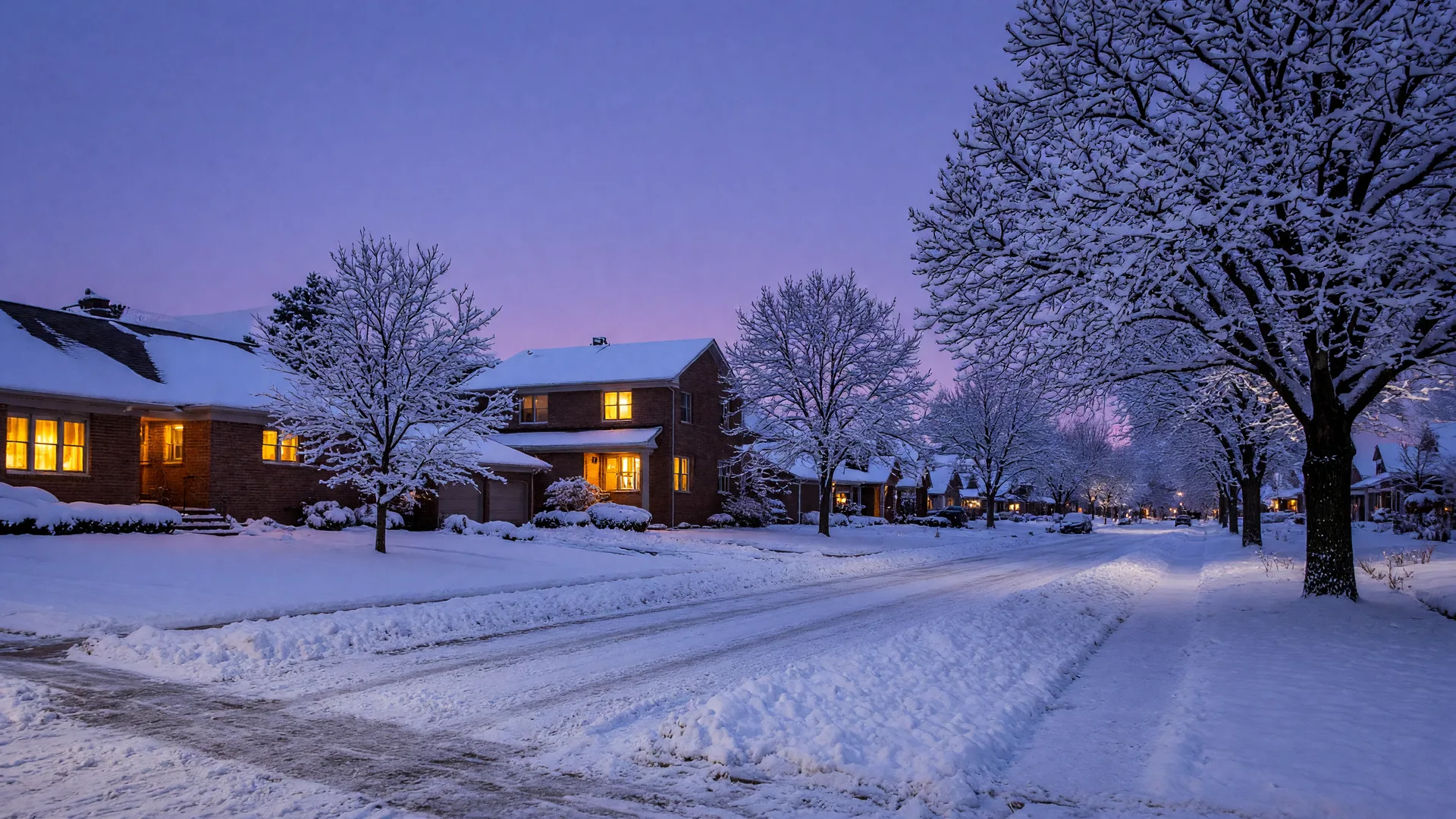
- Check your town's snow rules before the first big snowfall. Sidewalk shoveling deadlines, snow-route parking, and where you can pile snow all vary by city.
- Learn your commute early. The South Shore Line's Munster/Dyer station is the closest boarding point for many Crown Point, Dyer, and Schererville residents headed to downtown Chicago.
- Winterize before the deep freeze. Insulate exposed pipes, locate your main water shut-off, and stock an emergency kit for power outages.
- Budget for winter. Heating costs add up, but Indiana's energy assistance program typically opens in early October and can help income-eligible households.
- Ask a local who knows the drill. From plow-service sign-ups to trusted contractors, a long-time Northwest Indiana realtor can save you a lot of guessing.
So you did it. You packed up, crossed the state line, and bought a home in Northwest Indiana.
Maybe you landed in Munster or Dyer for the easy drive to Chicago. Perhaps Crown Point, Schererville, or St. John won you over with its tree-lined streets and slower pace. Or you found your spot in Highland, Hammond, or out toward Cedar Lake and the lakes.
Wherever you chose, one thing is coming that no amount of moving-box Tetris can prepare you for:
Your first Northwest Indiana winter.
I grew up here, and I've bought and sold six of my own properties here, so I know exactly what surprises new residents in December and January. None of it is scary once you know the drill.
Here's what I'd want you to know before the temperature drops for good.
1. Every Town Has Its Own Snow Rules
The most common mistake new homeowners make is assuming one set of snow rules applies everywhere. It doesn't.
Indiana leaves most snow-removal decisions to cities and towns, so your sidewalk-shoveling deadlines and fines can be completely different in Munster than they are in Crown Point or Highland.
Take Crown Point as an example. Once about two inches of snow accumulates, every street is treated as a snow route, which means vehicles and trailers need to be moved off public streets or they risk being towed. It's also against the rule to push or pile snow into the roadway.
If you live on a county-maintained road outside town limits, the Lake County Highway Department handles plowing, and they ask drivers and homeowners not to push snow across county roads or shoulders.
Before the first snowfall, make a short list for your specific address:
- Does my city require me to clear the public sidewalk, and by when?
- Am I on a designated snow route, and where can I park during a snow event?
- Where can I legally pile the snow I shovel?
- Do I want to sign up for a plow or snow-shoveling service before the calendar fills?
For official guidance, the Indiana Department of Homeland Security's winter preparedness page is a solid place to start, and your city's own website will have the local ordinance.
2. Nail Down Your Commute Before the Roads Get Rough
If you moved here specifically for the commute into Chicago, your first winter is when that decision really gets tested.
The good news is you don't have to gamble on icy I-80 or I-65 every morning. The South Shore Line runs from Northwest Indiana into downtown Chicago, and for many buyers the ride is a huge selling point.
The Munster/Dyer station is the terminal of the new Monon Corridor line, and for most Crown Point, Dyer, and Schererville residents it's the closest boarding point. Crown Point itself doesn't have a station, so train riders from that area usually head to Munster/Dyer.
From Munster/Dyer, the ride to Millennium Station runs roughly 45 minutes to an hour depending on stops. During weekday rush hours, several trains run directly downtown, while some off-peak shuttles transfer to the main line at Hammond Gateway.
If you'll largely drive, it helps to know that INDOT runs statewide snow-and-ice operations on state and U.S. highways roughly mid-November through mid-March.
Want a fuller picture of the day-to-day commute question? My article on commuting to Chicago from Northwest Indiana breaks down drive times and train options town by town.
3. Winterize Your New Home Before the Deep Freeze
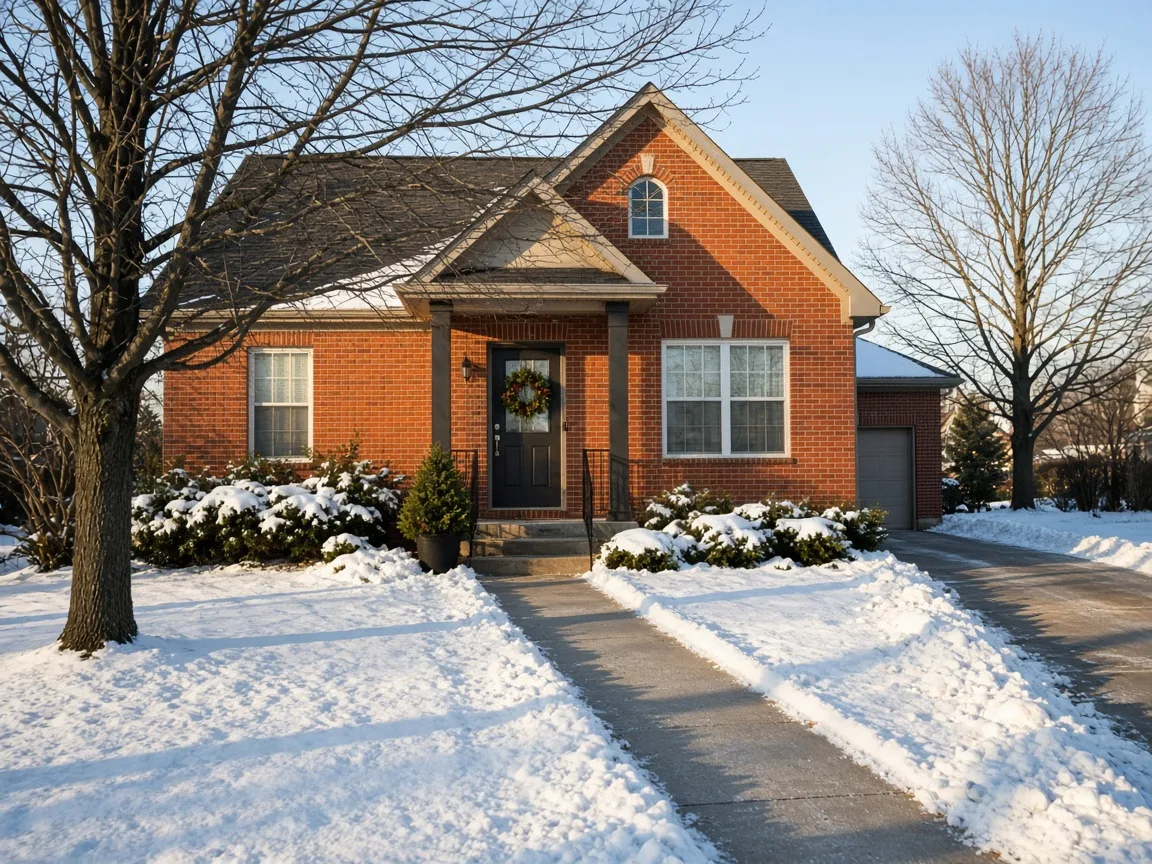
A brand-new-to-you house has a long list of things it will need winter care for, and the smart time to handle them is now, while the ground is still dry.
The single most valuable thing you can do is find your main water shut-off valve and tag it, so you know exactly where it is if a pipe ever bursts. Then insulate exposed pipes in basements, garages, and crawl spaces, and drain or winterize any sprinkler or irrigation system.
Disconnect and drain outdoor hoses and shut off their outside valves. A frozen spigot can cause a leak behind your wall that you won't notice until it's done damage.
Inside, change the furnace filter, make sure the thermostat and vents are clear, and check that indoor and outdoor heating units are clean. If you have a fireplace or wood stove, have the chimney inspected so you're not inviting carbon monoxide into your first winter.
It's also worth building a home emergency kit for multi-day power outages: non-perishable food and water, blankets, a flashlight with spare batteries, a portable charger, and a way to get weather alerts. Indiana's emergency planners recommend planning ahead before you need it.
And never, ever heat your home with an oven, and never leave space heaters running while you sleep or leave the house.
For the full seasonal list on your existing home, my winterize your home checklist for Northwest Indiana goes room by room.
4. Budget for Winter, Because Heating Has Opinions
Between late fall and early spring, your utility bills will climb, and that's reality for everyone in the region, not a reflection on your new house.
What many new residents don't know is that Indiana runs an energy assistance program that helps income-eligible households with heating costs. In Lake County it's typically delivered through local agencies, and applications usually open in early October, before the cold sets in.
If you think you might qualify, apply early and don't wait for the first cold snap to look into it.
Budget also for the practical stuff a first winter teaches you: a snow shovel, ice melt, a good scraper, and possibly a plow or shoveling service if the driveway is long. The time to reserve those services is now, before everyone else calls.
Thinking through the real cost of ownership before you buy is one of my favorite ways to help buyers. This article on buying in Northwest Indiana with Lake Michigan and Chicago within reach covers the true cost of ownership, including utilities and maintenance.
5. Find Your Winter Rhythm in the Community
Here's the part I enjoy telling people who move from warmer places.
Northwest Indiana winters are cold, but the region knows how to enjoy them. Holiday markets and craft fairs pop up across Lake and Porter counties in November and December. Towns string lights along their main streets. Families skate, sled, and gather around fire pits.
The dunes at Indiana Dunes National Park are open through winter, and a snowy hike out to the lake is gorgeous in a way most visitors never see. Simpler still, I tell every new resident to pick their local coffee shop and become a regular, because that's how a house becomes a home.
If you're still early in deciding where to buy, spend a winter weekend touring a few towns. My guide to Munster for homebuyers and my Crown Point neighborhood guide are good places to start picturing your first winter somewhere specific.
Frequently Asked Questions About Your First Winter in Northwest Indiana
How long does the train take from Northwest Indiana to downtown Chicago?
From the Munster/Dyer station, the South Shore Line ride to Millennium Station is roughly 45 minutes to an hour depending on stops. During weekday rush hours, several trains run directly to the city, while some off-peak shuttles require a transfer at Hammond Gateway. Crown Point has no station, so Munster/Dyer is the closest boarding point for many area residents.
Am I required to shovel the sidewalk in front of my house?
It depends on your city or town, because snow removal rules are set locally. Several municipalities require homeowners to clear sidewalks and may set deadlines or fines, while others use city crews. Check your own municipality's ordinance, and remember it's generally against the rule to push or pile snow into the roadway.
How do I winterize my new home's pipes?
Locate and tag your main water shut-off valve, insulate exposed pipes in basements, garages, crawl spaces, and along exterior walls, and drain or winterize sprinkler and irrigation systems. Disconnect outdoor hoses and shut off their valves to prevent frozen spigots and costly leaks.
Is energy assistance available in Lake County?
Yes. Indiana's Energy Assistance Program helps income-eligible households with heating costs and is typically delivered through local agencies in Lake County. Applications usually open in early October, so apply early if you think you may qualify.
Where can I get official winter safety information?
The Indiana Department of Homeland Security publishes winter preparedness guidance, and INDOT tracks statewide snow-and-ice operations on highways. Both are authoritative places for new residents to bookmark for winter readiness and travel conditions.
Liz's Take: Your First Winter Is Easier With a Local in Your Corner
Moving to a new region has a learning curve, and Northwest Indiana's winter is part of that curve. But it's a manageable one, and plenty of transplants tell me by spring that they love it here.
I grew up in this area, bought and sold six of my own homes here, managed two vacation rentals for more than a decade, and I've helped buyers and sellers throughout Munster, Dyer, St. John, Crown Point, Schererville, Highland, Hammond, Cedar Lake, and beyond for nine years.
I'm also a member of the National Association of Realtors, so the professional standards and local market knowledge you get are backed by a nationwide network of expertise. So when you have a question about zoning, plow services, a trusted contractor, or what a fair offer looks like in the town you're eyeing, I can point you in the right direction.
If you're shopping for a home before winter, or you bought one and want a clear read on your next move, let's talk.
Reach out for a free consultation or a no-obligation market analysis, and I'll help you feel confident about Northwest Indiana in every season.
Liz Rytel-Mudroncik, REALTOR®
Better Homes & Gardens Real Estate Connections
Disclaimer: This article provides general real estate and winter-preparedness information. Snow removal rules, parking regulations, utility costs, energy assistance eligibility, and commute times vary by municipality and household. Always confirm details with your local jurisdiction and qualified professionals.
Related Reading
Moving to Northwest Indiana: A Month-by-Month Timeline
Plan your relocation step by step, from first scouting trip to closing day.
Relocating From Illinois to Northwest Indiana: A Guide
What Illinois buyers should know about making the jump across the state line.
Winterize Your Home: A Northwest Indiana Checklist
A room-by-room seasonal checklist to keep your home warm and safe all winter.
Commuting to Chicago From Northwest Indiana
Drive times, the South Shore Line, and the trade-offs town by town.
Read the Relocation Guide or contact Liz for a free consultation.