
Moving to Northwest Indiana: A Month-by-Month Relocation Timeline
Last Updated: October 9, 2026
Key Takeaways
- Give yourself three to four months: the smoothest moves from Illinois start with town research and a mortgage pre-approval before you ever tour a home.
- A typical financed closing in Indiana runs 30 to 45 days from accepted offer, so time your home search about two months before your target move-in date.
- Indiana gives new residents 60 days to transfer their driver's license and vehicle registration to the Indiana BMV, with no written or driving test for a valid out-of-state license.
- Register to vote at least 29 days before any election; online registration at indianavoters.in.gov takes minutes.
- File your Indiana homestead deduction the year you buy: the HC10 application must be signed by December 31 of the year you first qualify.
Moving to Northwest Indiana from Illinois or out of state is exciting, and the to-do list is long: choosing a town, getting your finances ready, transferring utilities, and handling the Indiana paperwork that comes with a new address. This month-by-month timeline takes the guesswork out of it, so you know exactly what to do and when. I am a lifelong Northwest Indiana resident and Realtor who has personally bought and sold six properties, and I have helped dozens of families cross the state line and settle in. Consider this your playbook, from the first conversation to your first night in your new home.
Three to Four Months Out: Choose Your Town
The town you pick shapes everything else: commute, schools, property taxes, and resale value. That is why I always tell relocating clients to start with the community, not the house. My guide to choosing the right Northwest Indiana town compares all seven service communities by schools, commute, and feel.
Here is the short version. Munster is the classic first stop for Illinois transplants: it sits against the state line, feeds into Blue Ribbon schools, and anchors local life around places like Centennial Park and Three Floyds Brewing, with a median home price around $385,000. Crown Point offers the historic downtown square, a strong family feel, and homes across a wide price band. Dyer and St. John bring top-rated Lake Central schools and plenty of newer construction. Highland has a walkable downtown and Wicker Park, with more affordable price points, and Hammond offers direct South Shore Line access and some of the region's best values for investors and first-time buyers.
Visit at the time of day you would actually live there. Drive the commute once in morning traffic, walk the downtown, and grab lunch at a place you could see becoming your regular spot. Two hours in a neighborhood tells you more than two weeks of listing photos.
Three Months Out: Get the Money Ready
Before you tour a single home, get a mortgage pre-approval. It tells you your real number, makes your offer competitive, and separates the homes you can afford from the ones you can only admire. My mortgage pre-approval guide walks through the 2026 loan options, and my closing costs guide shows exactly what to budget beyond the down payment.
The tax side surprises most Illinois families, usually in a good way. Indiana's flat state income tax is 2.95% for 2026, compared with Illinois's flat 4.95%, and Indiana's sales tax is a flat 7% with no local add-ons, while Chicago's combined rate runs about 10.25%. The Indiana Department of Revenue publishes current tax rates and fees if you want the official numbers.
Property taxes are the one number to look at town by town. Indiana caps homestead property taxes at 1% of gross assessed value and offers the standard homestead deduction, but Lake County rates run above the Indiana average, so the bill varies by community. My Lake County property tax guide shows how the deductions and caps actually work, and I run a side-by-side tax estimate for every relocating client.
Two Months Out: House Hunt and Make an Offer
Now the fun part. With your pre-approval in hand, we tour homes across the towns on your short list. A typical financed closing in Indiana runs 30 to 45 days from accepted offer, so two months out is the right moment to start making offers if you want to move on your timeline. Cash buyers can close in as little as a few weeks.
Once you are under contract, the home inspection happens, the appraisal is ordered, and your lender underwrites the loan. I have sat on every side of this process, buyer, seller, investor, and landlord, so I keep the whole chain moving and translate every document into plain English. My Northwest Indiana buying guide covers each step in order.
Know Your Commute: The Monon Corridor Changed the Game
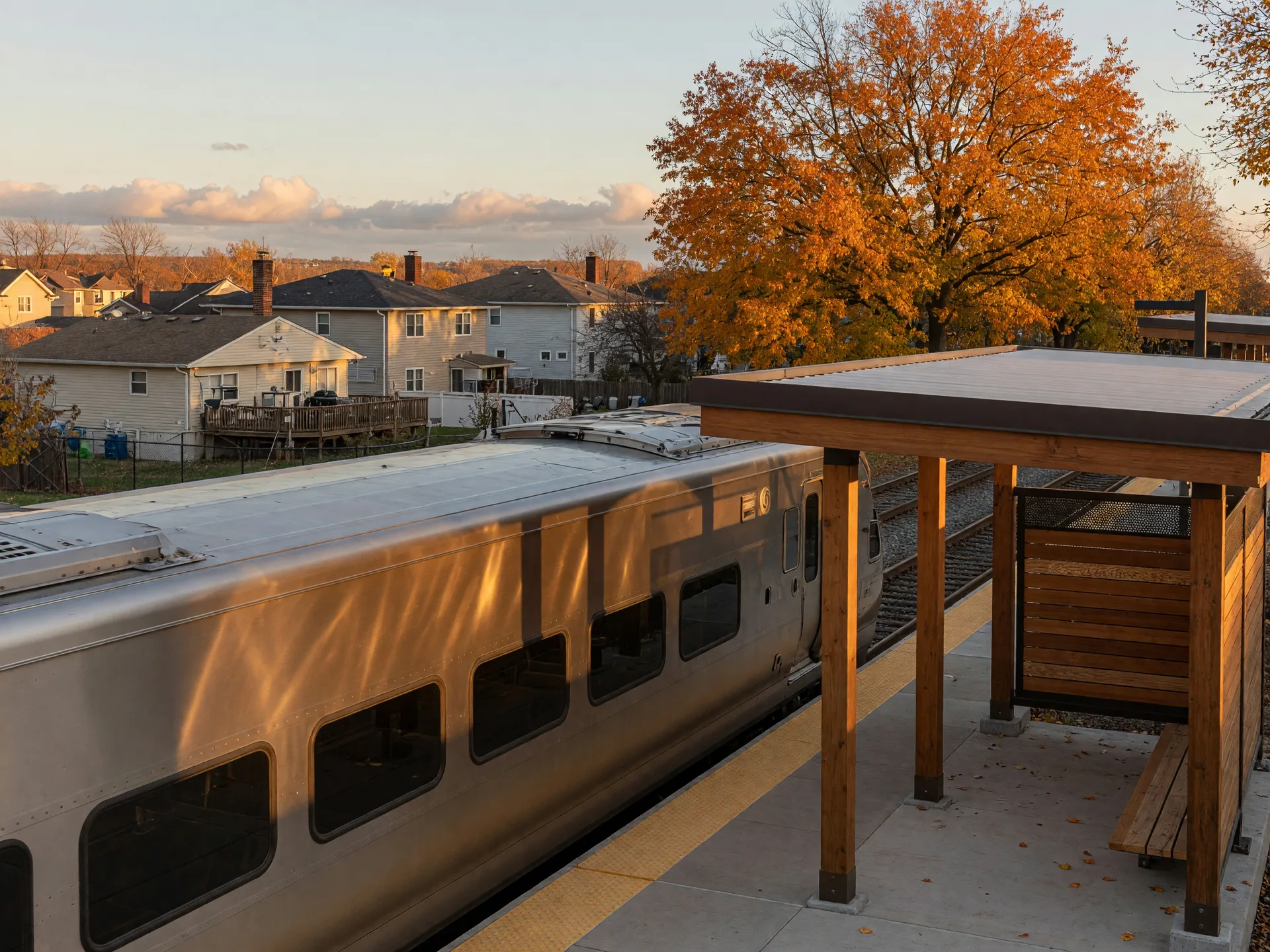
The commute question deserves its own paragraph, because 2026 is the year rail became a real option. The South Shore Line's Monon Corridor opened on March 31, 2026, adding the South Shore Line stations at Hammond Gateway, South Hammond, Munster Ridge Road, and Munster/Dyer. During rush hour, trains run direct from Munster/Dyer to Chicago's Millennium Station in roughly 45 minutes to an hour, and that has changed which homes commuters are willing to buy.
If rail matters to you, Munster and Dyer move to the top of your list, because you can park at the station, ride into the Loop, and be home for dinner. My full guide to commuting from Northwest Indiana compares train and drive options with actual times.
One Month Out: Prep the Move
With closing roughly a month away, shift into logistics. Book movers now, not the week before. File a change of address with the post office. And start gathering the documents you will need for utilities and schools.
For utilities, NIPSCO's start, stop, or move service handles electric and natural gas for most of Northwest Indiana, and you can set your start date to match closing day online. Water service comes from your town's water department or, in parts of Lake County, Indiana American Water. Internet is address-specific, so check what is available at your new house before you cancel your current service, and time every start date to your move-in day. One rule I give every client: do not buy anything for the new house until after closing. Close first, then shop.
Moving Week: The Indiana Paperwork
Indiana gives new residents 60 days from establishing residency to get things official, and the list is shorter than it looks. The Indiana BMV's New Indiana Residents page covers both steps: transferring your driver's license, which requires no written or driving test if your out-of-state license is valid, and transferring your vehicle titles and registrations, which requires a VIN inspection plus proof of identity and two proofs of Indiana residency.
Register to vote at least 29 days before any election. You can do it online at indianavoters.in.gov in a few minutes, and it is a great way to feel like a real Hoosier before the moving boxes are unpacked.
If you have school-age children, contact the district now. Indiana schools enroll your child and then verify residency, so bring proof of residency such as the signed closing documents, a lease, or a current utility bill, plus proof of date of birth. Kindergarten requires age 5 by August 1. GreatSchools has an Indiana state directory of districts and schools if you want to compare before you enroll.
Your First Full Year: File the Homestead Deduction
The single most valuable step new Indiana homeowners miss is the homestead deduction. The standard deduction removes up to roughly $48,000 of assessed value from your tax base, and a supplemental homestead deduction applies to the remaining value as well. The HC10 application must be signed and dated by December 31 of the year you first qualify, and most counties accept it through early January for that tax year.
File it the year you buy, not the year after. I have buyers who nearly missed it because nobody mentioned it, and it is worth real money every single year. My property tax savings guide for Lake County walks through the homestead, supplemental, senior, and veteran deductions, and I check every client's deductions at no cost before closing.
First 30 Days: Settle In Like a Local
The last month is about becoming a resident, not just a homeowner. Find your grocery store, your coffee spot, and your weekend routine. Northwest Indiana packs a lot into a small region, from the breweries, parks, and festivals I round up regularly to the Indiana Dunes an hour away. My complete relocation guide has the deeper look at schools, commute times, and cost of living if you want more reading.
And if you have not found your home yet, that is the very first step, and it is the one I can help with. Contact me for a free consultation or market analysis, or call (219) 670-3704. I have got your back, and I want you to feel confident, not pressured, from your first town tour to the day the moving truck pulls away.
Related Reading
Which Northwest Indiana Town Is Right for You?
Compare Munster, Highland, Schererville, Dyer, St. John, Crown Point, and Hammond by schools, commute, and feel.
Commuting to Chicago from Northwest Indiana
Trains, tolls, and drive times, including the new Monon Corridor rail service.
Relocating to Northwest Indiana: Complete Guide
Communities, schools, commute times, and cost of living for new residents.
Mortgage Pre-Approval in Northwest Indiana
How much home you can afford and the step-by-step path to your pre-approval letter.
Read the Relocation Guide or contact Liz for a free consultation.
Frequently Asked Questions
How long does it take to move to Northwest Indiana from Illinois?
Plan for three to four months from the day you decide to move. A typical financed home closing in Indiana runs 30 to 45 days from accepted offer, so you want your pre-approval and town research done before you start touring. Indiana then gives you 60 days after moving to transfer your driver's license and vehicle registration to the Indiana BMV. Most families who start in early fall are settled in before the holidays.
How many days do I have to get an Indiana driver's license after moving?
You have 60 days from establishing residency. If your out-of-state license is valid and you meet the requirements, Indiana does not require a written or driving test. You also need to transfer the titles and registrations of any vehicles you own within that same 60 days, which means bringing your out-of-state title, a VIN inspection, proof of identity, your Social Security number, and two proofs of Indiana residency to a BMV branch. The Indiana BMV's New Indiana Residents page has the full checklist.
When should I apply for the Indiana homestead deduction?
Apply the year you buy and move into the home. The HC10 application must be signed and dated by December 31 of the year you first qualify, and most counties accept submissions through early January for that tax year. The standard homestead deduction removes up to roughly $48,000 of assessed value from your tax base, and a supplemental homestead deduction applies to the remaining value as well. It is one of the most valuable deductions in Indiana, and many new homeowners miss it.
What do I need to enroll my children in school in Indiana?
Indiana schools enroll your child and then verify residency. Bring proof of residency, such as your signed closing documents, a lease, or a current utility bill, plus proof of the child's date of birth. Kindergarten requires that your child turn 5 by August 1. Contact your specific district, whether it is School Town of Munster, Crown Point Community School Corporation, Lake Central School Corporation, or another, for its registration window and how to submit paperwork.
Is living in Northwest Indiana cheaper than living in Chicago?
For most families, yes. In recent Redfin data, Chicago's median sale price was around $426,000, while Munster's was around $385,000, Crown Point's ran roughly $315,000 to $330,000, and Highland's was around $266,000. Indiana's flat state income tax is 2.95% in 2026 versus Illinois's 4.95%, and Indiana's sales tax is a flat 7% with no local add-ons, while Chicago's combined rate runs about 10.25%. Property taxes vary by community, and Lake County runs above the Indiana average, so I always run the real numbers for each town before making a recommendation.