
Winterize Your Home in Northwest Indiana: A Pre-Freeze Checklist
Last Updated: October 30, 2026
Key Takeaways
- Finish outdoor winterizing by mid-October in most Lake County towns: Crown Point, Dyer, Highland, and Griffith typically see their first 32-degree freeze in mid-October, while Munster and lakeshore areas hold on until late October.
- Disconnect garden hoses, shut off and drain exterior faucets, and blow out the sprinkler system before the first freeze; frozen outdoor lines are a top cause of winter pipe repairs.
- Service the furnace, swap the filter, test smoke and carbon monoxide detectors, and have chimneys and fireplaces inspected before the first cold spell.
- Clean gutters and downspouts, seal drafts with weatherstripping, door sweeps, and caulk, and check attic insulation: air sealing is one of the most cost-effective energy upgrades a home can get.
- Winter prep protects your home's value: documented maintenance, a serviced furnace, and a draft-free interior are exactly what buyers, inspectors, and appraisers look at when you sell.
Winterizing your Northwest Indiana home means getting it ready before the first 32-degree freeze, and that freeze arrives earlier than most people expect. Inland Lake County towns like Crown Point, Dyer, Highland, and Griffith typically see their first freeze in mid-October, while Munster and the lakeshore communities usually hold on until late October, per National Weather Service normal first freeze data. A few hours of fall prep protects your pipes, your heating system, and the value of the biggest asset you own.
I am Liz Rytel-Mudroncik, a top 10% producer in Northwest Indiana with 9 years in real estate, 80+ homes sold, and two vacation rentals I have managed for more than 12 years. Winterizing is not theory for me: it is the annual routine that keeps my own properties safe and keeps my clients' repair bills small. Here is the exact checklist I give homeowners from Munster to Crown Point, in order of priority.
When Is the First Freeze in Northwest Indiana?
Know your freeze date before you schedule anything. According to NOAA's 1991-2020 climate normals, the average first 32-degree freeze in Lake County lands between mid-October and late October depending on where you live. Crown Point, Dyer, Highland, and Griffith usually freeze first, around the middle of October, while Munster and East Chicago typically stay above freezing until late October because of their position near Lake Michigan.
That wide window is exactly why you should not wait for the forecast. By the time a freeze warning appears, it is usually too late to empty the sprinklers or move the patio furniture. Work backward from the middle of October: treat the first weekend of the month as your winterizing deadline, and you will always be early enough.
Start With the Heating System
The furnace is the most expensive piece of equipment in your home, and winter is the worst time for it to fail. Schedule a professional tune-up before the first cold spell so the technician can catch worn parts, dirty burners, and weak airflow while the weather is still mild. Between visits, swap the filter at least every one to three months, starting with a fresh one in November.
Carbon monoxide is a real Northwest Indiana winter concern because we spend months with doors and windows sealed. Put fresh batteries in every smoke detector and carbon monoxide detector on the same day you service the furnace, and install a detector on every level if you do not have them. If you have a wood-burning fireplace, have the chimney cleaned and inspected before the first fire; creosote buildup is the leading cause of chimney fires.
Protect the Pipes and the Plumbing
Frozen pipes are the most common winter disaster I hear about from clients, and nearly all of them are preventable. Outside, disconnect every garden hose, drain it, and store it for the season. Close the shut-off valve for each exterior faucet from inside the house, then open the outdoor spigot to let the line drain.
Inside, insulate exposed pipes in crawl spaces, basements, garages, and along exterior walls, especially in older homes built before insulation standards improved. In a hard freeze, let faucets on exterior walls drip slightly and open cabinet doors under sinks to let warm air reach the plumbing. Most important, know where your main water shut-off valve is and show everyone in the household. If a pipe does burst, turning off the water in the first 60 seconds is the difference between a small cleanup and a downstairs remodel.
If you have an in-ground lawn sprinkler system, have it blown out with compressed air before the freeze. Skipping the blowout can crack underground lines and pop risers, and the repair usually waits for spring, when you discover it.
Keep the Cold Out: Gutters, Roof, and Sealing
Clean gutters and downspouts in late fall so melting snow has somewhere to go. Blocked gutters cause ice dams, the ridges of ice that build along the roofline and push water back under the shingles, and ice dam repair is one of the most expensive roofing bills there is. While you are up there, look for loose or missing shingles and cut back any tree branches that hang over the roof so snow load and wind cannot push them through.
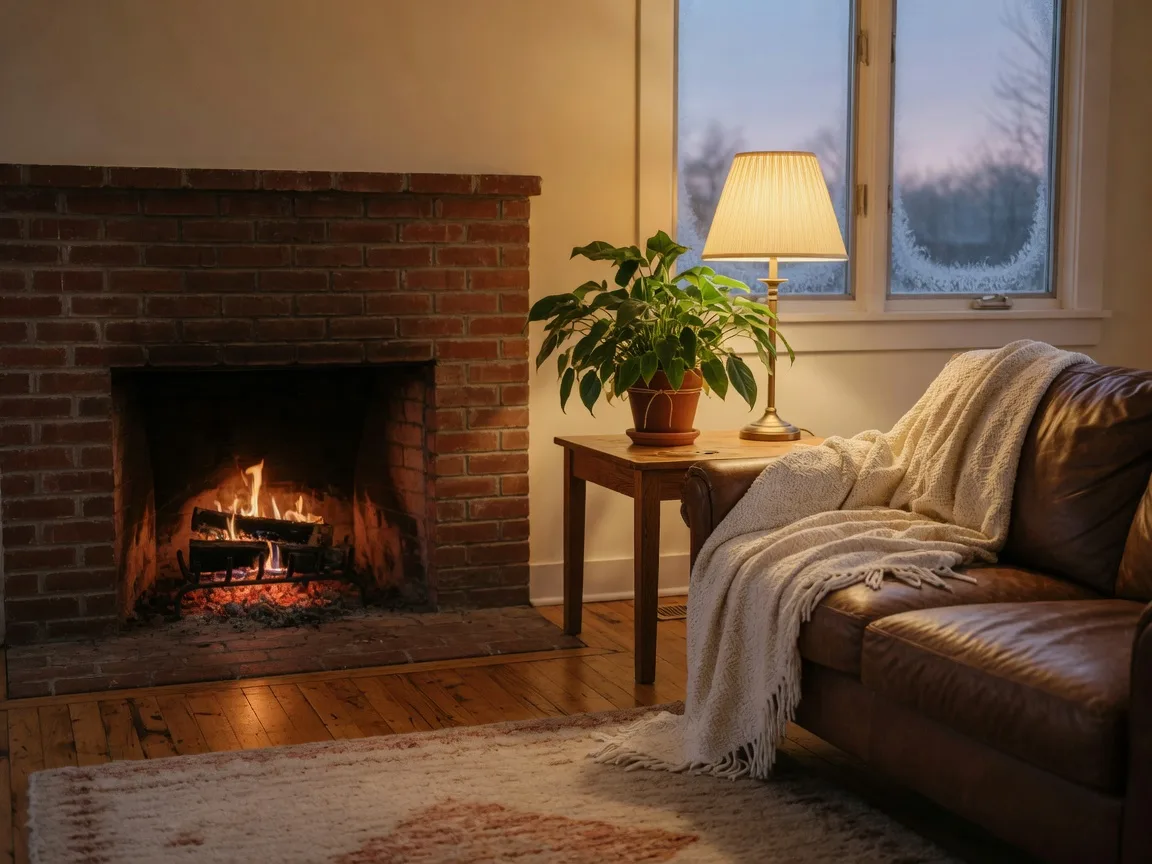
Then seal the envelope of the house. Weatherstripping around doors, door sweeps at the bottom, and caulk around window frames stop the drafts that make rooms feel cold and drive up heating bills. Attic insulation does more heavy lifting than most homeowners realize: the U.S. Department of Energy's Energy Saver guide ranks air sealing and insulation among the most cost-effective ways to cut heating costs, and it is a project that pays back every single winter.
The This Old House library has deep how-to guides on weatherstripping, door sweeps, and insulating older homes, which is great research material for a Saturday project.
The Yard and the Exterior
Northwest Indiana winters bring lake-effect snow and wind, which is why the outside of your home deserves the same attention as the inside. Rake and remove leaves so they do not smother the lawn and turn to muck under the snow. Do a final mow short for the season, then drain the mower's fuel or add a stabilizer before storing it.
Trim branches that reach toward the house and the roof, and move patio furniture, planters, and grills inside or under cover. Metal, glass, and water-holding items crack, rust, and split when they freeze, and a windblown chair across a window is an expensive winter surprise. If you have window air conditioners, remove them, or at minimum seal them with a cover; even a well-sealed unit drafts cold air in a way window glazing never does.
Winterizing Ties Straight Into Your Home's Value
Every maintenance task on this list is also a value task. When I list a home, buyers and appraisers read a documented maintenance history as proof the house was cared for, and it supports the asking price in negotiation. A serviced furnace, clean gutters, and a warm, draft-free interior are exactly what a winter buyer feels in the first 30 seconds of a showing, before they have even reached the kitchen.
If you have been planning home improvements, winter is a smart time to think about the ones that matter at resale. My guide to improvements that boost home value ranks projects by return, and a pre-listing inspection can surface fixes worth making before a buyer's inspector finds them, especially in an older home in Crown Point's historic district or a Munster neighborhood built in the 1960s.
Sellers can use the quiet months to their advantage. My selling guide for Northwest Indiana homeowners walks through pricing, prep, and winter showings, and buyers touring in January get the rare chance to see a home under real winter conditions, how the heat performs, whether the windows draft, and how the roof sheds snow, before they ever sign. Those signs of care matter in the spring listing market, too: a home that was maintained through the winter shows better, and better-maintained homes sell faster and for more.
Your Pre-Freeze Checklist, In Order
- Late September to early October: Have the furnace serviced and the chimney cleaned, swap in a fresh filter, and test all smoke and carbon monoxide detectors.
- Mid-October, before the first freeze: Disconnect and drain hoses, close exterior faucet shut-offs, blow out the sprinklers, and insulate exposed pipes in crawl spaces and garages.
- Same weekend: Clean gutters and downspouts, check the roof and trim overhanging branches, and pull in or cover outdoor furniture, planters, and grills.
- Before the first cold spell: Add weatherstripping and door sweeps, caulk drafty window frames, and check attic insulation depth.
- Year-round, but especially now: Keep the furnace filter clean, know where the main water shut-off is, and never ignore a cold draft, a running toilet, or a damp basement. Small signs in October are big repairs in February.
The Bottom Line
Winterizing in Northwest Indiana is a short list of small jobs with outsize payoff. Know your town's freeze date, protect the water, service the heat, seal the drafts, and clean the gutters, and you will wake up to the first lake-effect snow with nothing to worry about and no surprise repair bills.
I have got your back. Whether you are staying put, getting your home ready to sell, or buying a place and learning its winter personality, I am happy to walk your specific property through the list with you. Reach out for a free consultation or market analysis, or call (219) 670-3704. I want you to feel confident, not pressured, and I want your home as snug as the ones I manage for my own family and clients.
Related Reading
Fall Home Maintenance Checklist for Northwest Indiana
Gutters, furnace service, weatherstripping, and the yard tasks that get your home ready for an Indiana winter.
Home Improvements That Boost Home Value in Northwest Indiana
Which remodeling and upgrade projects return the most value at resale, and which to skip.
September Home Maintenance Checklist for Northwest Indiana
Get ready for fall with a complete homeowner checklist, from gutters to furnace filters.
Summer Home Maintenance in Northwest Indiana
The warm-season maintenance that keeps your home in shape all year long.
Explore the Crown Point neighborhood guide or the Munster neighborhood guide, or contact Liz for a free consultation or market analysis.
Frequently Asked Questions
When should I winterize my home in Northwest Indiana?
Before the first hard freeze, and for most Lake County communities that means late October at the latest. According to NOAA climate normals, the average first 32-degree freeze in Crown Point, Dyer, Highland, and Griffith lands in mid-October, while Munster and the lakeshore areas typically hold on until late October. The safest approach is to finish the outdoor work, hoses, exterior faucets, sprinklers, gutters, and yard cleanup, by mid-October, then complete furnace service and indoor sealing by early November. Do not wait for the forecast to turn: once a freeze warning is out, it is usually too late for the outdoor steps.
Do I really need to disconnect my garden hose before winter?
Yes. Water left in the hose and in the outdoor faucet can freeze, expand, and crack the pipe or the spigot, and that repair usually involves cutting into drywall from inside the house. Disconnect the hose, drain it, and store it before the first freeze. If you have a shut-off valve for the exterior faucet inside the house, close it and open the outdoor spigot to drain the line. This is a five-minute job that prevents one of the most common and most expensive winter repairs.
How much does it cost to winterize a home?
Winterizing is one of the cheapest insurance policies in homeownership. The basics cost little or nothing: disconnecting hoses, swapping the furnace filter, raking leaves, and adding weatherstripping are weekend tasks. The paid services, a furnace tune-up, chimney inspection, and sprinkler blowout, are modest annual costs running a small fraction of what a neglected furnace or a burst pipe costs to repair. If you are on a tight budget, prioritize the furnace tune-up, the outdoor water shut-offs, and checking the smoke and carbon monoxide detectors.
Which winterizing projects add the most home value?
The ones buyers can see working. A serviced furnace, clean gutters, sealed windows, and a warm, draft-free interior are what inspectors check and buyers feel the moment they walk in. Maintenance records matter when you sell: buyers, lenders, and appraisers read a documented maintenance history as proof the home was cared for, and that supports your asking price. The winter prep you do now is the same prep that shows up in your list price next spring.
Should home buyers still look in Northwest Indiana during the winter?
Absolutely, and winter is actually a great time to inspect a home. A January showing reveals what a house is genuinely like in the coldest months: how the heating system performs, whether rooms stay drafty, how the windows and insulation really work, and how the roof handles snow and ice. A winter inspection catches problems a summer tour never will, and with less competition from other buyers you often have more room to negotiate.