What to Look For When Touring Homes in Northwest Indiana: A First-Time Buyer's Room-by-Room Checklist
Last Updated: November 26, 2026
Key Takeaways
- Look first at what you cannot easily change: the roof, foundation, grading, water drainage, and the heating, cooling, electrical, and plumbing systems.
- Paint colors, dated fixtures, and worn carpet are cosmetic and cheap to fix, while foundation cracks, sagging floors, and water damage are structural and expensive.
- Tour the neighborhood, not just the house: walk the street, check commute and school routines, and visit at different times of day before you make an offer.
- Ask about the age of the roof, furnace, water heater, and windows, plus property taxes, HOA rules, and floodplain status before you commit.
- Always make your offer contingent on a professional home inspection so a licensed inspector can check the property thoroughly before closing.
Walking into a home for the first time is exciting, and it is easy to fall for a pretty kitchen or a bright living room. But the features that make a house feel lovely on a tour are often not the ones that will cost you money later.
As a first-time buyer in Northwest Indiana, the goal is to find a home that fits your life, your budget, and your future, and to spot the difference between what is worth fixing and what should send you walking away. I have toured hundreds of homes across Munster, Crown Point, Dyer, St. John, Schererville, Highland, and Hammond, and I can tell you that a simple room-by-room checklist keeps you grounded.
Here is exactly what I tell my first-time buyers to look for on every tour.
1. Start Outside Before You Even Open the Door
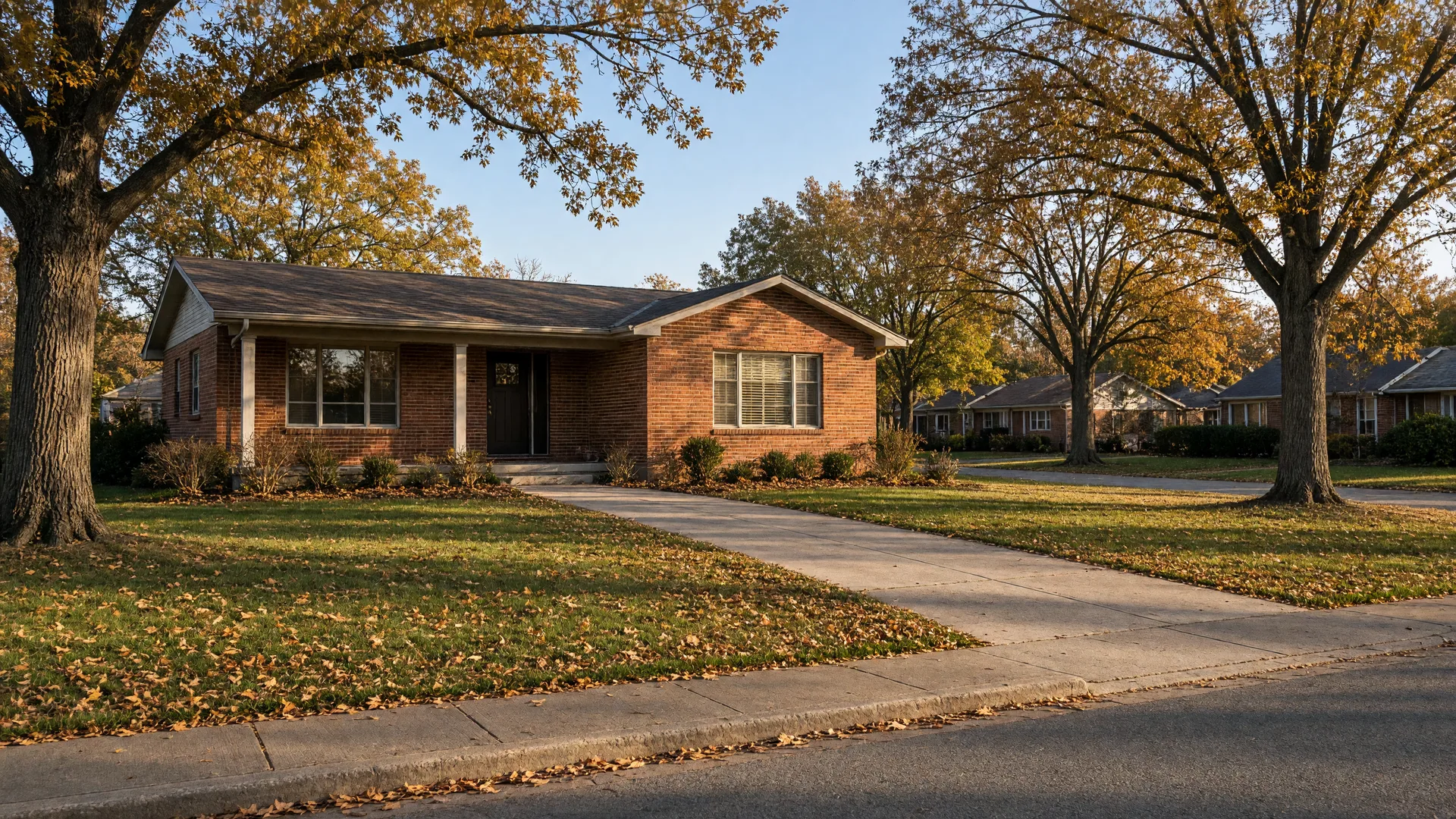
The front door is where the sale happens, but the outside of the home tells you about the big-ticket items before you walk in.
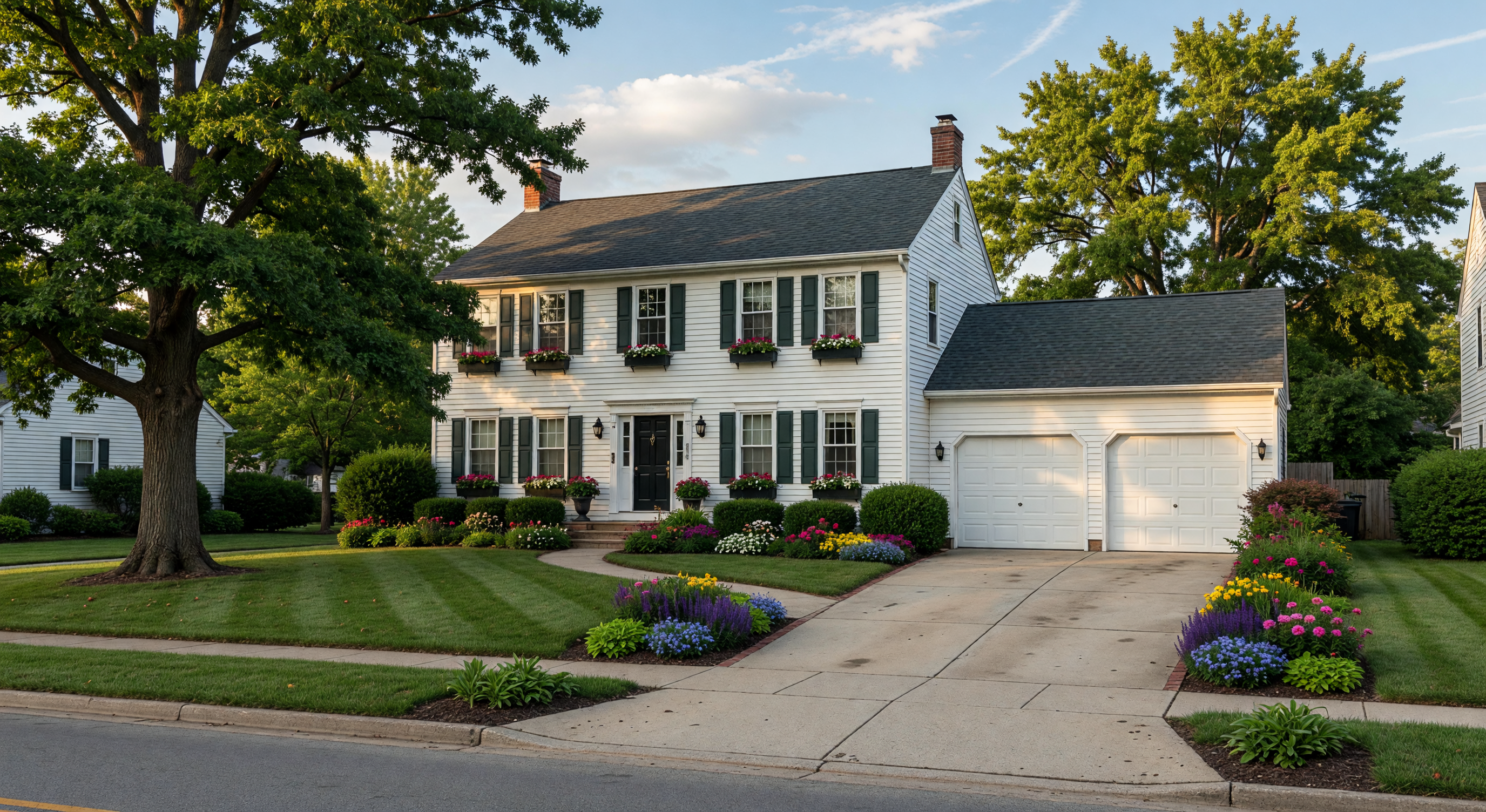
Start by studying the roof. Look for missing, curled, or sagging shingles, and ask how old the roof is. A roof nearing the end of its life is a significant future expense.
Then check the grading. The ground should slope away from the foundation so water drains off the home instead of pooling against it. Look for cracked, bowing, or freshly patched foundation walls, and for signs of standing water in the yard.
Notice the condition of the gutters and downspouts, the exterior siding or brick, the driveway, and the windows. Newer windows and a solid roof are real value, while deferred exterior upkeep often hints at how the rest of the house was cared for.
2. The Kitchen and Bathrooms Are Where Costs Add Up
Kitchens and bathrooms are the most expensive rooms to update, so look at their condition carefully, not just their style.
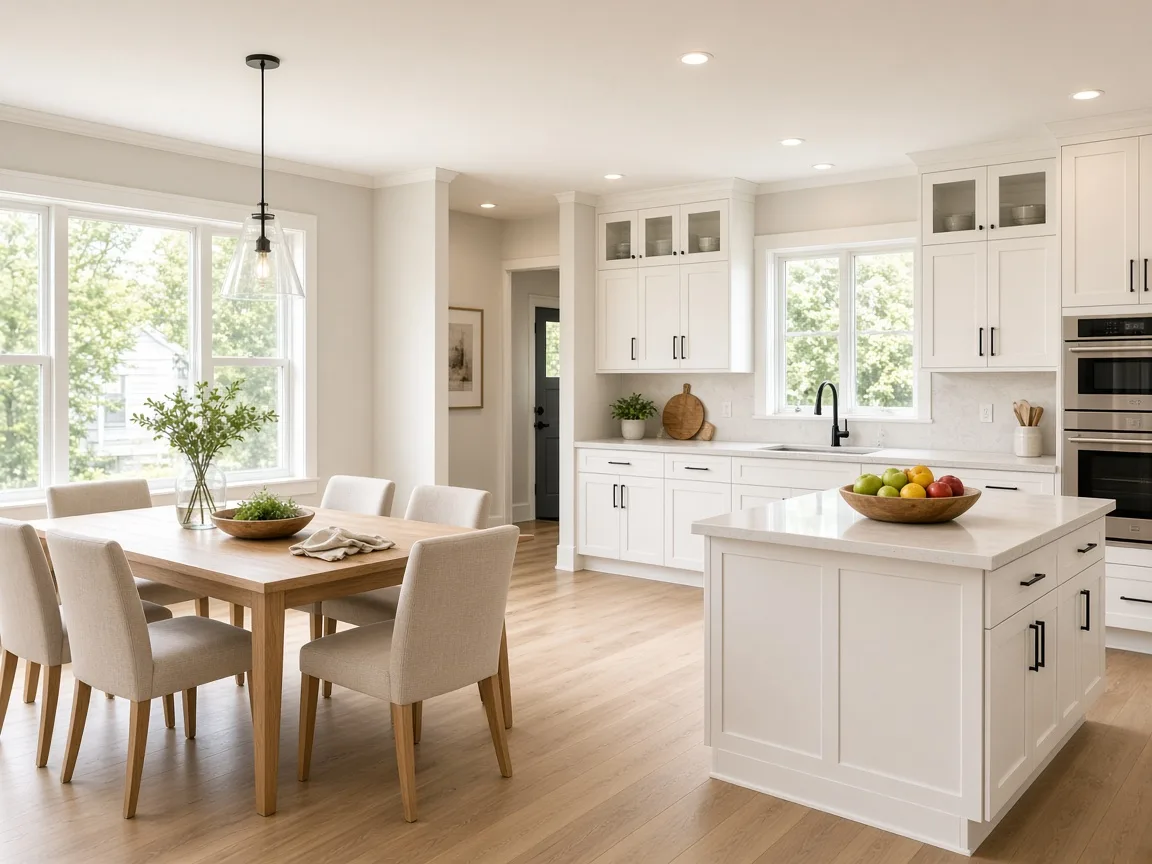
Check for water stains under the sinks, around the toilets, and along the base of the cabinets. Look at the caulking around tubs and showers, and ask whether the water heater and any plumbing updates are recent.
A dated kitchen with worn counters is cosmetic and very fixable. But soft floors, water damage, or signs of an old or leaking roof in these rooms can be a much bigger deal.
3. Look Behind the Walls: Systems Over Style
The furnace, air conditioner, water heater, and electrical panel are the heartbeat of the home, and they are expensive to replace.
Ask about the age and condition of the furnace and central air, and check whether the electrical panel looks modern and organized. Older panels, cloth wiring, or a panel that has been clearly overloaded are worth a professional opinion.

Look for water stains on ceilings and walls, especially in the basement, and any musty smell that suggests moisture. A dry, well-maintained basement is a big plus in Northwest Indiana, where a damp one can be a warning sign.
When you are serious about a property, make your offer contingent on a professional home inspection so a licensed inspector can check the roof, foundation, and every system with the right tools. The National Association of REALTORS research library is a good place to understand what to expect from the buying process, and Indiana Association of REALTORS can help you understand local rules and practice.
4. Room by Room, Keep It Simple
Inside each room, ask the same three questions: what is cosmetic, what is structural, and what does it cost to fix?
In the bedrooms and living spaces, look at the size, the natural light, the closet space, and the condition of the floors. Worn carpet, old paint, and dated light fixtures are cosmetic. Cracked ceilings, sagging floors, and windows that will not open properly are worth noting.
Check that outlets work and doors close and latch. A home full of small deferred repairs is usually priced to reflect it, but a long list of minor issues can also mean the next owner inherits a lot of little projects.
5. Tour the Neighborhood, Not Just the House
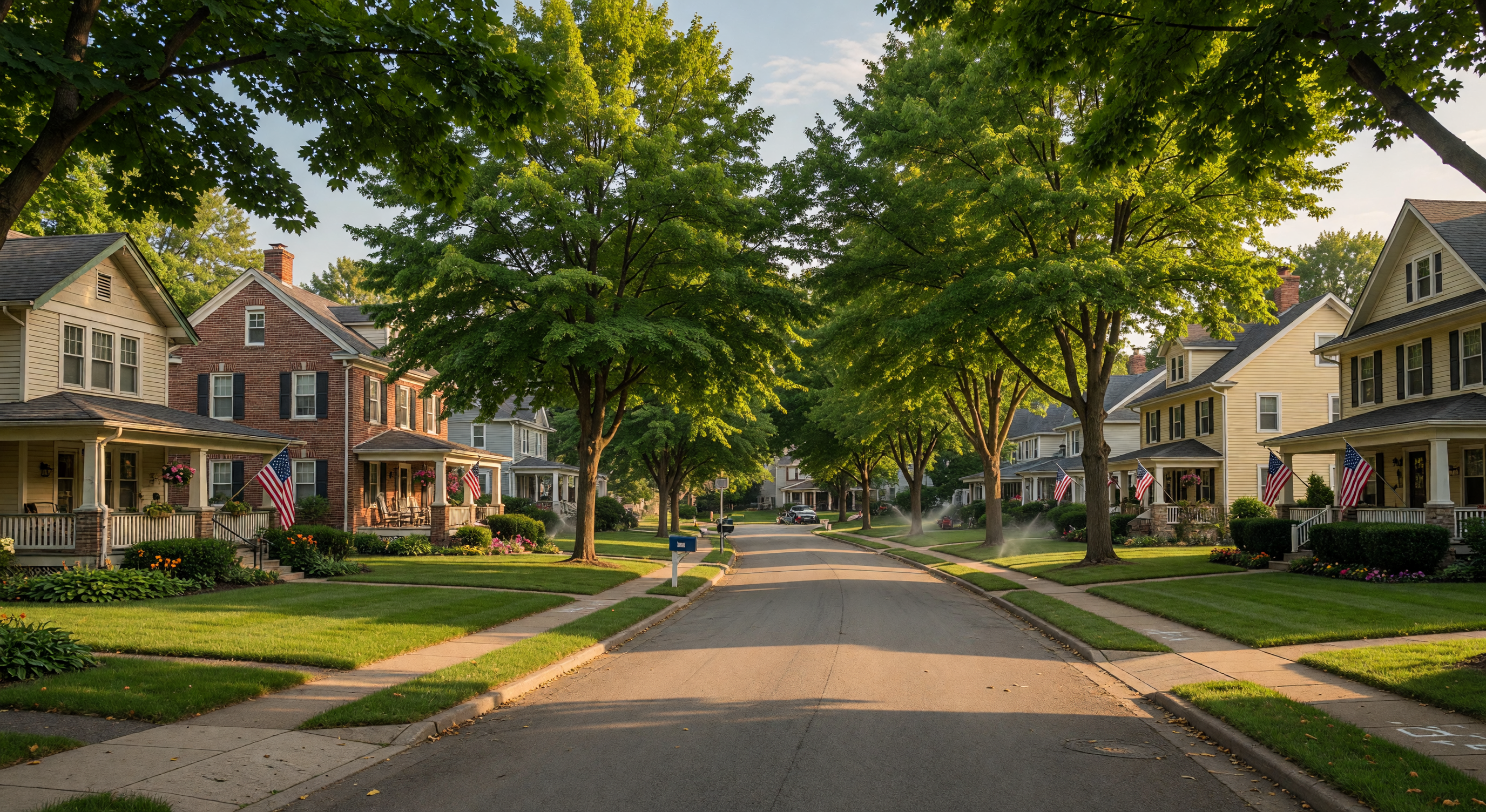
You are buying a home, but you are also buying into a neighborhood. Northwest Indiana communities each have a different character, so spend time on the street, not only inside the model.
If you are drawn to an established community with strong schools and a manageable commute, a place like Munster or Crown Point might be a great fit. If you prefer a quieter town with more land, Dyer and St. John are worth a look.
Walk the block at different times of day. Notice traffic on the school run, street noise, and how neighbors maintain their yards. Check the commute, the local amenities, and the property taxes, which vary noticeably between communities across Lake County.
Your budget, your lifestyle, and your commute all deserve as much attention as the countertops, and my first-time buyer guide walks through the whole process from pre-approval to offer.
6. Bring a Checklist, and a Second Opinion
The best touring habit is to keep a running checklist for each home so you can compare honestly instead of by memory. Write down what you loved, what you noticed, and any questions you want answered.
I also recommend touring with a clear head about your budget. Interest rates change every week, and Freddie Mac's Primary Mortgage Market Survey publishes fresh 30-year fixed rate data every Thursday so you always know where the market stands when you make an offer.
Once you find a home you love, that is the moment to slow down and check the details with professionals: a lender, a home inspector, and an experienced local REALTOR. My full buying guide covers the steps from your first tour to closing day.
Liz's Take: Fall in Love With the Home, Not Just the Staging
After nine years helping buyers across Northwest Indiana, I have learned that the home you fall for on a tour is often not the one you remember a year later. The one that holds its value is the one with a solid roof, dry foundation, and a layout that fits your life.
Good staging is designed to make you feel at home. A great agent helps you see the house underneath it.
If you are ready to start touring homes in Munster, Crown Point, Dyer, St. John, Schererville, Highland, Hammond, or anywhere in Northwest Indiana, I would love to be your guide. I will walk every room with you, point out what really matters, and help you make an offer you feel good about.
No pressure. No obligation. Just honest guidance.
Liz Rytel-Mudroncik, REALTOR®
Better Homes & Gardens Real Estate Connections
Call or text: 219-670-3704
Disclaimer: This article is for general educational purposes and does not constitute mortgage, financial, tax, legal, or inspection advice. Property conditions, financing requirements, and market conditions vary. Consult qualified professionals, including a licensed home inspector and mortgage lender, regarding your situation.
Frequently Asked Questions About Touring Homes in Northwest Indiana
What should I look for first when touring a home in Northwest Indiana?
Start with the things you cannot easily change: the roof, foundation, grading, and how water drains away from the house. Then check the big systems, heating and cooling, electrical panel, and plumbing. Paint colors, dated fixtures, and worn carpet are cosmetic, while a cracked foundation or an aging roof can be costly.
How do I tell the difference between cosmetic issues and structural problems?
Cosmetic issues are surface-level and cheap to fix, such as an outdated backsplash, worn flooring, or old paint. Structural problems affect the bones of the home, including foundation cracks, sagging floors or ceilings, bowing walls, and water damage or rot. When in doubt, ask your home inspector for a professional opinion during the inspection window.
Should I bring a home inspector to a first-time viewing?
Not usually. A tour is a first look, and a full inspection happens after you have an accepted offer. That said, use the touring stage to spot obvious red flags, and make your offer contingent on a professional home inspection so a licensed inspector can give the property a thorough check before you commit.
When is the best time of day to tour a home?
Visit at different times if you can. A weekday morning can show you the school drop-off and traffic pattern, while an evening or weekend visit can reveal how much street noise there is. Walk the neighborhood and the street you would live on, not just the house itself.
What questions should I ask while touring homes in Munster, Crown Point, or St. John?
Ask about the age of the roof, furnace, water heater, and windows, plus recent updates and any known issues. Ask about the property taxes, whether there is a homeowners association, what the floodplain status is, and how long the current owners have lived there. Your REALTOR can also help you research schools and commute times before you make an offer.
Related Reading
The Home Inspection Guide for Buyers and Sellers
What a professional inspection covers, how to read the report, and why it is the most important contingency in your offer.
The Complete First-Time Buyer Guide for Northwest Indiana
Pre-approval, down payments, closing costs, and choosing the right neighborhood, all in one place for first-time buyers.
Mortgage Pre-Approval in Northwest Indiana
How much you can afford, down payment options, and the exact steps to get pre-approved before you tour homes.
Why Munster Is a Hidden Gem for Homebuyers
Tree-lined streets, a 30-minute Chicago commute, and strong property values in one of Northwest Indiana's most sought-after towns.
Read the full blog or contact Liz for a free consultation or home market analysis.