
Mortgage Pre-Approval in Northwest Indiana: A Buyer's Guide
Last Updated: September 18, 2026

Key Takeaways
- Get pre-approved before you tour homes: it tells you what you can afford, tells sellers your offer is real, and many Northwest Indiana agents require the letter before showings.
- You do not need 20% down. In 2026, conventional loans can start at 3% down, FHA at 3.5%, and VA at 0% for eligible veterans.
- The 2026 conforming loan limit is $832,750 for a single-family home in most of the country, so nearly every home in Northwest Indiana is eligible for the best-priced conventional financing.
- Your monthly payment includes principal, interest, taxes, and insurance, not just the mortgage, so budget the full payment, not the sticker price.
- Protect your approval: no new loans, cars, or credit cards before closing. One big purchase can reset your approval and cost you the home.
Getting a mortgage pre-approval is the first real step to buying a home in Northwest Indiana, and it is the one thing you should do before you tour a single house. It tells you exactly how much home you can afford, it shows sellers your offer is serious, and it keeps you from falling in love with a house that is out of reach. This guide covers what pre-approval actually is, how much you will need for a down payment in 2026, and the exact steps to get your letter.
I have bought and sold six properties myself, managed vacation rentals for 12+ years, and helped more than 80 buyers and sellers across Munster, Highland, Schererville, Dyer, St. John, Crown Point, and Hammond. I know the paperwork, the nerves, and the sticker shock. Done right, pre-approval takes the guesswork out of house hunting and makes you the buyer every seller wants to work with.
What Is a Mortgage Pre-Approval, Anyway?
A pre-approval is a lender's written commitment to lend you a specific amount, based on your verified income, assets, credit, and debts. It is different from pre-qualification, which is a quick estimate a lender gives before checking any paperwork. With pre-approval, the bank has actually looked at your documents, pulled your credit, and run the numbers. The letter typically stays valid for 60 to 90 days, and it tells you, and every seller you make an offer to, exactly what you can spend.
In practice, most Northwest Indiana agents and many new construction communities require a pre-approval letter before they will even schedule a showing. The strongest offers in this market include one, and in a multiple-offer situation, a pre-approval from a reputable local lender can be the tiebreaker that wins you the house.
How Much Home Can You Afford in Northwest Indiana?
Lenders use two numbers to decide what you can borrow. Your total monthly housing payment, including principal, interest, taxes, and insurance, should land near 28 percent of your gross monthly income. Your total debts, including that housing payment, should stay near 36 percent. Run those two numbers first and you will know your realistic range before you ever talk to a lender.
Price ranges here vary by town. Munster homes commonly run from about $334,000 to $372,000 with Blue Ribbon schools and the shortest Chicago commute. Highland offers a walkable downtown anchored by Wicker Park and homes from roughly $250,000 to $400,000. Hammond gives you the most affordable entry, around $150,000 to $300,000, with South Shore Line rail access. That is why pre-approval matters so much: the same monthly payment buys very different homes in different communities.
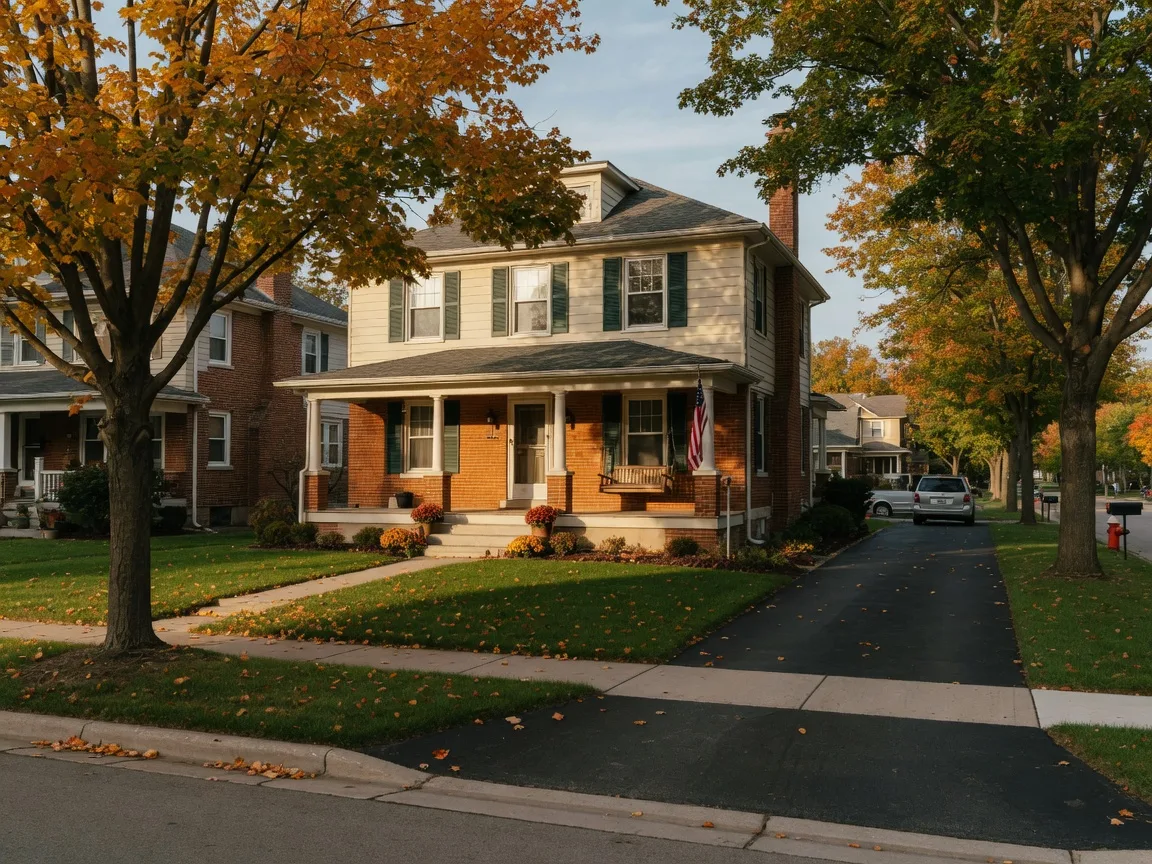
For 2026, the conforming loan limit, the cap for most conventional loans, is $832,750 for a single-family home in most of the country, according to the Federal Housing Finance Agency. That comfortably covers nearly every home in Northwest Indiana, which means most buyers here have access to the best-priced conventional financing available.
How Much Down Payment Do You Actually Need?
The old advice about 20 percent down is outdated for most buyers. In 2026, a conventional loan can go as low as 3 percent down for qualifying buyers, an FHA loan starts at 3.5 percent with a credit score of 580 or higher, and eligible veterans can buy with a VA loan at 0 percent down. Plenty of buyers in this market buy with less than 20 percent down, and I have closed deals with surprisingly little out of pocket.
FHA loans are also forgiving on credit: 580 gets you in at 3.5 percent down, while scores between 500 and 579 can qualify in some cases with 10 percent down. USDA loans offer 0 percent down in eligible rural areas, which covers pockets of Lake, Porter, and LaPorte counties. The Consumer Financial Protection Bureau's Owning a Home toolkit explains all of these programs in plain language, and HUD's official FHA page lays out the FHA rules directly.
And you do not have to rely on savings alone. Indiana offers down payment assistance through IHCDA and a range of local programs; the full breakdown is in my down payment assistance guide for Northwest Indiana. Your lender and I will map the path that gets you to closing with the least money out of pocket.
Which Loan Fits You: Conventional, FHA, VA, or USDA
- Conventional: the most common choice, with down payments from 3%, the best pricing for buyers with solid credit, and private mortgage insurance that drops off once you reach 20% equity.
- FHA: 3.5% down with a 580 credit score, more forgiving underwriting, and mortgage insurance that is built into the loan and harder to remove.
- VA: 0% down for eligible veterans, active duty, and surviving spouses, with no mortgage insurance at all. It is the best loan program in the country and a lot of local veterans do not realize they qualify.
- USDA: 0% down in eligible rural areas, including parts of Lake, Porter, and LaPorte counties, with modest income limits.
Your loan program shapes every offer you make, from your down payment to the kind of home you can buy, so it is worth 30 minutes with a lender before you look at houses. Mortgage rates change every week, and Freddie Mac's Primary Mortgage Market Survey publishes fresh 30-year fixed rate data every Thursday so you always know where the market stands when it is time to lock.
Step by Step: How to Get Pre-Approved
- Check your credit first. Your score drives your rate and your program choice. Order your reports, review them line by line, and fix anything that looks wrong before you apply.
- Gather your documents. Two years of tax returns, recent pay stubs, W-2s, bank and investment statements, and a photo ID. Having everything ready turns a multi-day process into a one-day decision.
- Shop lenders. Local banks, credit unions, and mortgage brokers all fund Northwest Indiana purchases. Compare rate quotes and fees, and pick someone who answers the phone when you call.
- Apply for pre-approval. The lender pulls your credit, verifies your documents, and issues the letter with your exact loan amount and program.
- Time it right. Letters last 60 to 90 days. Get pre-approved, then start your search so you have runway to find the right home and close on a normal timeline.
- Stick to your plan. Your budget stays your budget, even when you fall in love with a house that stretches past it. That is where a buyer's agent earns their keep.
If you are early in the process, my complete first-time home buyer guide walks through the whole journey from credit to closing, and my closing costs breakdown lays out exactly what you will pay at the table. When inspections and appraisals come up, my home inspection guide and appraisal guide have you covered.
Mistakes That Can Sink a Pre-Approval (or a Closing)
Once you are pre-approved, protect that approval like it is the keys to the house. Your lender re-checks your credit and your employment days before closing, and one misstep can reset your approval, delay your closing date, or cost you the home entirely. I have watched it happen to smart buyers, and it is always avoidable.
- Do not take on new debt. No new cars, furniture, or appliances financed during the process. My rule has always been simple: do not buy anything until after closing.
- Do not switch jobs or change your income picture without telling your lender first.
- Do not move large sums of money between accounts without keeping a clear paper trail.
- Do not open new credit cards or co-sign for anyone, no matter how small the limit.
- Do keep paying your bills on time and keep every document your lender asks for.
The late-summer and fall market here rewards prepared buyers, especially in towns like Munster, Crown Point, and Schererville where well-priced homes still draw multiple offers. Walking in with a pre-approval letter and a clear budget is how my clients win the homes they want, and it is exactly how I would do it for you.
Let's Get You Pre-Approved and Ready to Search
Pre-approval is the difference between house hunting and actually finding your home. Tell me your budget, your timeline, and the towns you are considering, and I will connect you with a lender who knows Northwest Indiana, then match you to homes that fit your numbers. No pressure, ever, just honest guidance. Reach out for a free consultation or call (219) 670-3704. I have got your back, and I want you to feel confident, not pressured, from our first conversation to closing day.
Related Reading
Complete First-Time Home Buyer Guide for Northwest Indiana
Credit, mortgage options, down payment help, and the best neighborhoods for first-time buyers.
Down Payment Assistance Programs in Northwest Indiana
IHCDA, FHA, VA, and USDA programs that help buyers get into a home with little money down.
Closing Costs in Northwest Indiana: What Buyers Actually Pay
What to budget, how to save, and what to expect at the closing table.
Munster, IN Neighborhood Guide
Blue Ribbon schools, the shortest Chicago commute, and homes from about $334,000.
Read the Buyer's Guide or contact Liz for a free market analysis.
Frequently Asked Questions
Do I need a mortgage pre-approval before looking at homes in Northwest Indiana?
Yes, and it is the single most powerful move you can make as a buyer. A pre-approval tells you exactly how much home you can afford, and it tells sellers your offer is real. In competitive situations, a pre-approval letter from a reputable lender is often the difference between your offer being taken seriously and being passed over. Many Northwest Indiana agents and new construction communities will not schedule a showing without one.
How much home can I afford in Northwest Indiana?
As a rule of thumb, your total monthly housing payment, including principal, interest, taxes, and insurance, should stay near 28% of your gross monthly income, and your total debt payments should stay near 36%. That math looks different in Munster, where homes commonly run from about $334,000 to $372,000, than in Highland, around $250,000 to $400,000, or Hammond, roughly $150,000 to $300,000. Your lender runs this exact calculation with your income, debts, and credit score, so the number on your pre-approval letter is the one that counts.
What is the difference between conventional, FHA, and VA loans?
A conventional loan is the most common option and typically offers the most flexibility once your credit is solid, with down payments starting as low as 3% for qualifying buyers. An FHA loan is a government-backed option with a minimum down payment of 3.5% and more forgiving credit requirements, which makes it popular with first-time buyers. A VA loan is available to eligible veterans and service members with zero down payment and no mortgage insurance. Your income, credit, and goals determine which program fits best, and a local lender can show you the direct comparison.
What credit score do I need to buy a home?
For a conventional loan, most lenders look for a score of 620 or higher, and a higher score typically earns you a better rate. An FHA loan allows a score as low as 580 with a 3.5% down payment, or 500 to 579 with a 10% down payment. If your score needs work, even 90 days of consistent on-time payments can move it meaningfully. I work with local lenders who will be straight with you about where you stand and what it will take to get you there.
How long does mortgage pre-approval take, and how long is it valid?
Pre-approval usually takes a few hours to a few days once your lender has your documents, with a decision often arriving within a day or two. The letter is typically valid for 60 to 90 days, which is why timing matters: the smart move is to get pre-approved first, then start your search so you have plenty of runway. If rates move or your situation changes, your lender can update the letter, usually without a new full application.