
Dyer, IN: Why Families Keep Choosing This Northwest Indiana Gem
Last Updated: October 1, 2026
Quick Answer
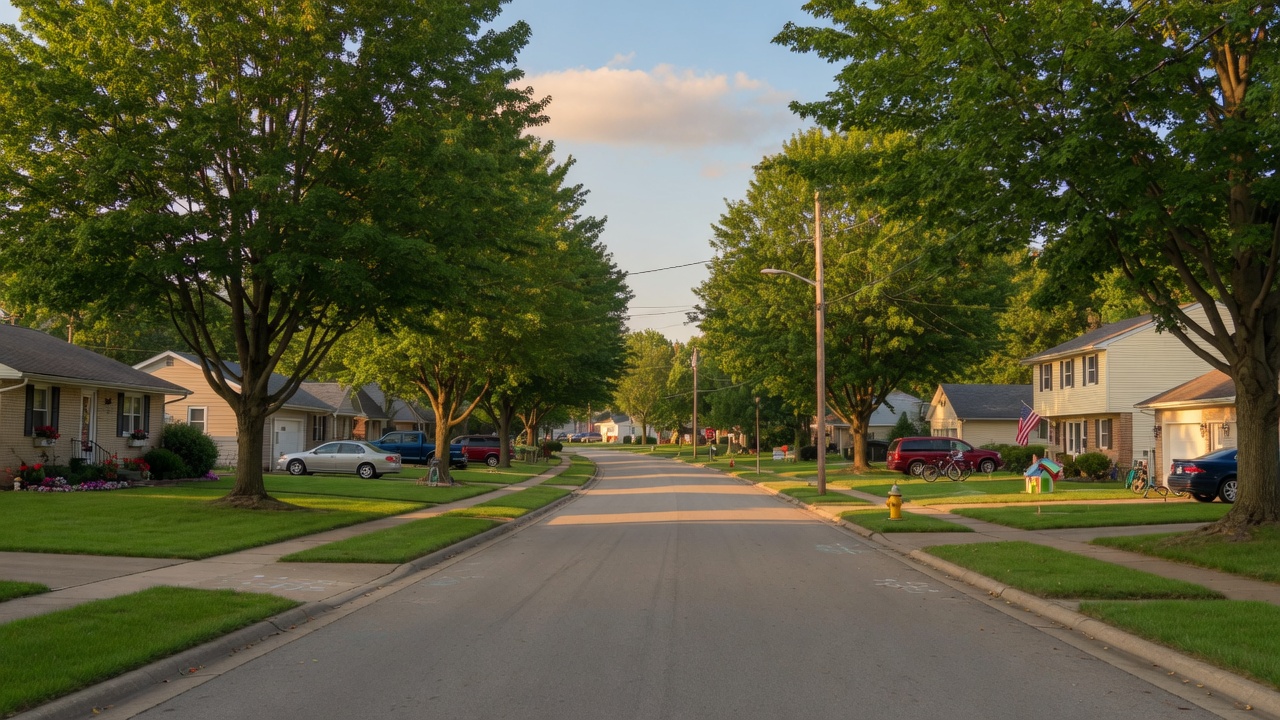
Dyer, Indiana is one of Northwest Indiana's most family-friendly communities, with homes typically ranging from $300K to $550K and an 87.7% homeownership rate. Served by the highly ranked Lake Central School Corporation, Dyer features tree-lined streets, over 20 parks, and a tight-knit community feel, all just 35 miles from downtown Chicago. The median home value has increased 11.6% in the past year, reflecting strong and sustained demand.
If you've been exploring Munster, St. John, or Schererville, there's a good chance Dyer has come up in conversation, and for good reason. It consistently ranks as one of the best places to live in Indiana, and families who move here tend to stay. The schools are excellent, the neighborhoods are beautiful, and the value proposition is hard to argue with.
I've helped dozens of buyers find their way to Dyer over the years, and the reaction is almost always the same: "Why didn't we look here sooner?"
Schools That Families Trust
Schools are usually the number-one reason families choose Dyer, and the Lake Central School Corporation delivers. Ranked among the top districts in Indiana, Lake Central serves Dyer students through George Bibich Elementary, Protsman Elementary, and Kahler Middle School, with high school students attending Lake Central High School in neighboring St. John.
The district maintains a student-teacher ratio of approximately 15:1 and offers strong academics, competitive athletics, and a wide range of extracurricular programs. For families who prioritize education, and most of my clients do, Dyer's school system is a major draw. Private options like Illiana Christian High School and St. John the Evangelist Catholic School are also nearby for families who prefer that route.
Home Styles and Price Ranges
Dyer's housing stock is one of its strengths. The community offers a diverse mix that appeals to buyers at nearly every stage, first-time buyers, growing families, move-up buyers, and downsizers alike.
- Established neighborhoods: Classic brick ranches, Colonials, and bi-levels from the 1970s through 2000s, many updated with modern kitchens and finishes. These homes typically list between $300K and $450K.
- New construction: Active developments continue to add modern floor plans, energy-efficient builds, and customizable options. New-build homes in Dyer generally start in the $400K-$550K range.
- Townhomes and maintenance-free living: A growing selection of townhomes appeals to downsizers and busy professionals who want quality without the upkeep of a large lot.
The median property value in Dyer sits around $350,000-$400,000, and values have climbed 11.6% in the past year, a sign of strong, sustained demand. Lot sizes tend to be generous, with mature trees and established landscaping that give Dyer its signature tree-lined-street character.
Compare that to comparable communities in the south suburbs of Illinois, where you'd likely pay $75K-$150K more for a similar home. Dyer gives you more house, more yard, and more community for your money.
Parks, Trails, and Outdoor Living
Dyer is home to over 20 parks, and the town takes its outdoor spaces seriously. Elmer Miller Park is a family favorite, it features a splash pad that packed during summer months, walking paths, and open green space. Pheasant Hills Park offers sports fields and playgrounds, while Northgate Community Park provides additional space for recreation and neighborhood gatherings.
For bigger outings, Wicker Memorial Park in nearby Highland is just minutes away, offering a golf course, aquatic center, and extensive trail system. And for those weekend adventures, the Indiana Dunes National Park and the Lake Michigan shoreline are an easy drive north.
The biking and walking trail network continues to expand, connecting neighborhoods and giving residents car-free options for exercise and recreation. It's the kind of infrastructure that makes daily life more enjoyable, and it's one of those things you don't appreciate until you have it.
Dining and Local Flavor
Dyer's restaurant scene punches above its weight for a town of its size. Little Italy on Joliet Street has earned a loyal following with its classic Italian dishes and warm atmosphere, it's the kind of place where the staff knows regulars by name. Gino's Prime & Surf draws steak and seafood lovers from across the region, and White Rhino Bar & Grill is a solid spot for casual dining and weekend drinks.
You're also minutes from the restaurant corridors in Munster and Schererville, which means you have access to a genuinely wide range of dining options without ever getting on a highway.
Commute and Connectivity
Dyer sits at a strategic crossroads for commuters. US-30, I-94, and I-394 are all easily accessible, putting downtown Chicago approximately 35 to 50 minutes away under normal traffic conditions. The Hammond South Shore Line station is a short drive away, and with the newly opened Monon Corridor connecting Hammond, Munster, and Dyer, rail commute options have expanded significantly.
For remote and hybrid workers, Dyer is a sweet spot: you get a beautiful, quiet home office environment with fast internet access, and when you do need to head into the city, you have multiple commute options. It's the kind of balance that's hard to find, suburban peace with genuine urban access.
Community and Events
What sets Dyer apart from many suburban communities is the genuine sense of neighborliness. The town hosts regular community events throughout the year, holiday celebrations, summer concerts, and family-focused activities that bring residents together. The Dyer Parks and Recreation department runs programs for kids and adults alike, from youth sports leagues to fitness classes at the community center.
The 87.7% homeownership rate tells a story: people invest in Dyer, and they stay. That stability creates the kind of neighborhood where kids ride bikes together, neighbors look out for one another, and there's a real sense of belonging. It's not manufactured, it's the real thing.
Why Dyer Might Be Your Perfect Fit
After nine years in real estate and 80+ homes sold across Northwest Indiana, I can tell you that Dyer appeals to a specific buyer, and if you're reading this, you might be one of them. You want excellent schools without paying suburban- Illinois prices. You want a safe, beautiful neighborhood with real community roots. You want proximity to Chicago without the chaos of living in it.
Dyer checks every one of those boxes. And with property values continuing to climb and demand staying strong, it's also a smart investment.
I'd love to show you what's available, whether you're ready to schedule tours this week or just want to talk through whether Dyer makes sense for your family. No pressure, no hard sell. Just honest guidance from someone who knows this market inside and out.
Let's find your next home.
For more on Dyer's schools and community life, check out Lake Central School Corporation and the GreatSchools ratings for Dyer.
Related Reading
Dyer, IN Neighborhood Guide
The complete guide to schools, parks, and community life in Dyer.
New Construction in Northwest Indiana
Active new-build developments in Dyer, St. John, Crown Point, and Schererville.
The Monon Corridor Is Open
How Northwest Indiana's new train line is reshaping real estate values.
Relocating to Northwest Indiana
Communities, schools, commute times, and cost of living for new residents.
View the Full Market Report, read the Buyer’s Guide, or meet Liz.
Frequently Asked Questions
What is the average home price in Dyer, IN?
As of mid-2026, homes in Dyer, Indiana typically range from $300,000 to $550,000, with the median property value sitting around $350,000-$400,000 depending on the neighborhood and home style. Well-maintained ranches and Colonials in established neighborhoods tend to sell in the $350K-$450K range, while newer construction and larger homes on premium lots can push into the $500K+ range. Dyer offers strong value compared to comparable Illinois suburbs, with an 11.6% increase in median property values in the past year alone.
How are the schools in Dyer, IN?
Dyer is served by the Lake Central School Corporation, which is ranked among the top school districts in Indiana. Lake Central High School in nearby St. John serves Dyer students and is known for strong academics, competitive athletics, and a wide range of extracurricular programs. Elementary options include George Bibich Elementary and Protsman Elementary, both well-regarded by families. The district maintains a student-teacher ratio of approximately 15:1. Private options like Illiana Christian High School and St. John the Evangelist Catholic School are also nearby.
How far is Dyer, IN from downtown Chicago?
Dyer is approximately 35 miles from downtown Chicago, which translates to a 40-to-50-minute drive under normal traffic conditions via I-94 or US-30. The Hammond South Shore Line station is accessible from nearby communities, and with the newly opened Monon Corridor connecting Hammond, Munster, and Dyer, rail commute options have expanded significantly. Many Dyer residents commute to Chicago or the south suburbs while enjoying substantially lower housing costs and a quieter, family-oriented lifestyle.
Is Dyer, IN a good place to raise a family?
Dyer consistently ranks as one of the best places to live in Indiana, and for good reason. The community boasts an 87.7% homeownership rate, over 20 parks including Elmer Miller Park with its popular splash pad, and a crime rate well below national averages. The Lake Central School Corporation is highly rated, and the town's family-friendly events, safe neighborhoods, and strong sense of community make it a natural fit for growing families. The blend of suburban charm with easy Chicago access is hard to beat.
What types of homes are available in Dyer, IN?
Dyer offers a diverse housing stock that appeals to buyers at every stage. The majority of homes are well-built single-family properties, classic brick ranches, Colonials, bi-levels, and contemporary designs from the 1970s through today. New construction developments continue to add modern floor plans and energy-efficient builds. Townhomes and maintenance-free options are available for downsizers and first-time buyers. Lot sizes tend to be generous, with mature trees and established landscaping that give the community its signature tree-lined-street feel.