
Managing Your Parents’ Finances in Retirement: Why Real Estate Matters More Than You Think
Last Updated: June 19, 2026
Quick Answer
When adult children step in to manage aging parents’ finances, the family home often becomes the biggest and most complex asset to handle. Key steps include securing legal authority through power of attorney, assessing the home’s condition and market value, and deciding whether to sell, rent, or maintain the property. Getting professional guidance early helps families make confident, informed decisions during an emotional transition.
There’s a quiet shift happening in millions of American families right now. Adult children are stepping in to help manage their aging parents’ finances — balancing checkbooks, reviewing investment accounts, and making sure bills get paid on time. A recent New York Times piece explored this growing trend, and it resonated with me deeply. Not just as a real estate professional, but as someone who has navigated this exact terrain with my own family.
A Role You Never Planned For
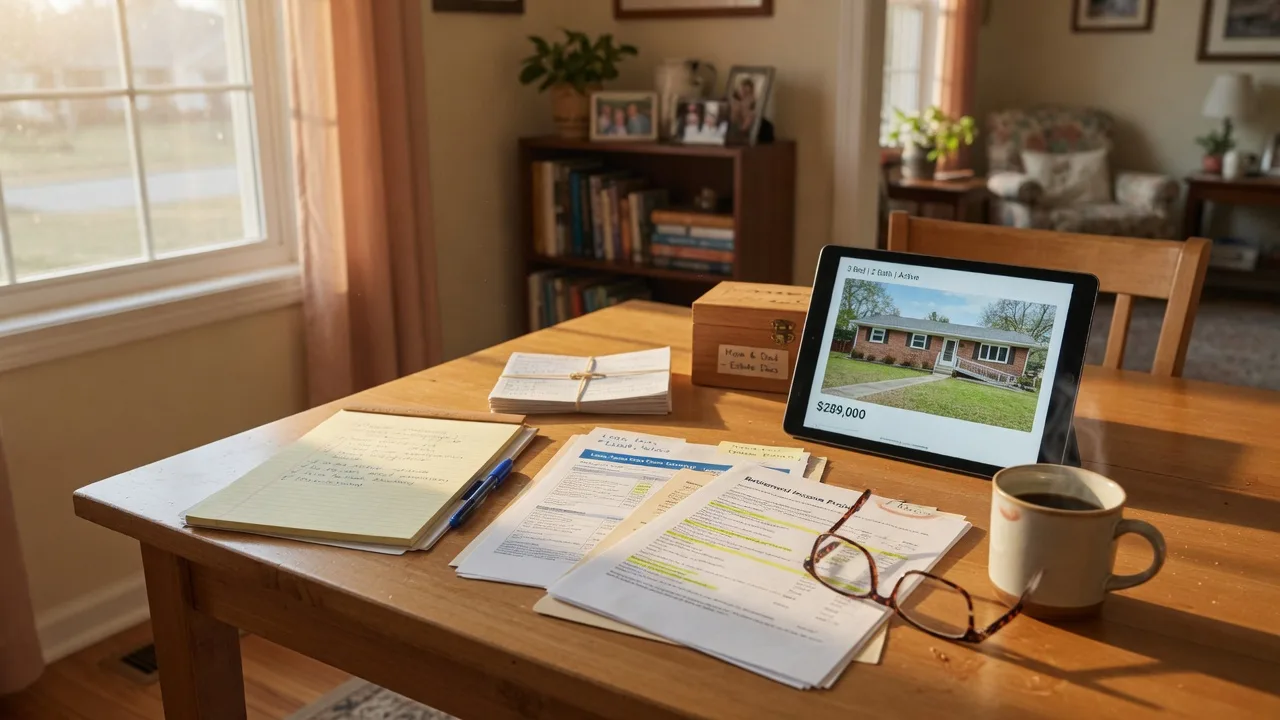
Most of us don’t wake up one day and decide to become our parents’ financial manager. It happens gradually. A missed bill. A confusing statement. A parent who’s becoming overwhelmed by the details they used to handle with ease. Before you know it, you’re sitting at the kitchen table going through paperwork, and the weight of it all hits you.
The emotional side of this transition is real and often underestimated. There’s a role reversal that feels uncomfortable — the child now guiding the parent. There can be tension between siblings about what should happen next. And underneath it all, there’s grief, even when a parent is still living, because the dynamic has shifted in a way you can’t undo.
If you’re in this position right now, I want you to know: you’re not alone, and you don’t have to figure it all out by yourself.
The Biggest Asset on the Table
When people talk about managing a parent’s finances, conversations often start with bank accounts and Social Security. But in my experience, the most significant financial decision families face is far bigger than any checking account — it’s the home.
For many retirees in Northwest Indiana and across the country, the family home is their single largest asset. It may represent decades of mortgage payments, home improvements, and equity that has grown steadily over the years. And yet, it’s also the asset most families are least prepared to evaluate when the time comes.
Here’s what I always tell people: a house isn’t just shelter. It’s a financial instrument. And understanding what that instrument is worth — and what it could do for your parents’ quality of life — is one of the most important things you can do as their financial advocate.
The Four Paths Forward
When families come to me in this situation, I walk them through the core options. There’s no one-size-fits-all answer, but understanding these paths is the first step.
Stay and age in place. If your parents are healthy and the home still works for them — accessible, affordable, and safe — staying put may be the right call. But it’s worth evaluating honestly: Can they manage the maintenance? Are there safety concerns like stairs or narrow doorways? What are the ongoing costs of property taxes, insurance, and upkeep?
Sell and downsize. This is the path I see families choose most often. A larger home with a yard becomes a manageable townhome or ranch. The equity freed up can fund a more comfortable retirement, cover healthcare costs, or be split among heirs. In markets like Munster, Crown Point, or Schererville, there’s strong demand for both the homes being sold and the smaller properties being sought. If you’re considering this path, my guide to downsizing in Northwest Indiana walks you through the process in detail.
Rent the property. For some families, selling feels premature — or the market timing isn’t right. Renting the home can generate steady monthly income while preserving the equity for later. But being a landlord isn’t passive, especially from a distance. I’ve managed rental properties myself for over twelve years, so I can speak from real experience about what this involves.
Use a reverse mortgage. This option allows your parents to access their home’s equity while staying in place. It’s not the right fit for everyone — there are real costs and trade-offs — but for some families, it provides the financial breathing room they need. Understanding it fully before deciding is essential.
Have the Conversation Before You Have To
The single most important piece of advice I can give is this: have the conversation early. Don’t wait until there’s a crisis — a fall, a hospitalization, or a sudden cognitive decline — to start talking about housing plans.
Ask your parents what they want. Do they want to stay in the house? Have they thought about what happens if they can’t manage it anymore? Do they know what the home is worth? These conversations can be awkward, but they’re infinitely easier to have over coffee at the kitchen table than they are from a hospital bed or a probate attorney’s office.
Here are three practical steps you can take right now:
1. Understand the equity. Get a professional market analysis so you know what the home is actually worth — not what Zillow says, not what your parents think it’s worth based on what they paid in 1994. Real numbers make real conversations possible.
2. Review the full financial picture. The home doesn’t exist in isolation. Layer in Social Security income, pensions, investment accounts, healthcare costs, and debts. A clear financial snapshot helps you make informed decisions about whether to sell, keep, or leverage the property.
3. Bring in a real estate professional early. You don’t have to list anything to have a conversation. A good realtor can walk you through market conditions, home values, and your options without any pressure. That’s exactly what I do for families in this situation.
Why This Matters to Me Personally
I didn’t just learn about this in a textbook. I grew up watching my parents manage rental properties. I bought my first home near Wrigley Field right out of college and later turned it into an investment. I’ve bought and sold six personal properties, including two vacation rentals I’ve managed for over a decade. And I’ve helped families in my own circle navigate the exact decisions I’m describing here.
When you work with me, you’re getting more than a realtor. You’re getting someone who has lived this — who understands that the numbers matter, but so does the human side. I want you to feel confident, not pressured. I want your family to make a decision that serves your parents well and brings peace of mind to everyone involved.
If you or someone you love is starting to think about what to do with a parent’s home, I’d love to have that conversation. No rush. No obligation. Just honest guidance from someone who gets it.
For additional resources, the National Association of Realtors has articles on housing wealth and retirement planning. You can also track how mortgage rates affect home equity decisions at the Freddie Mac Primary Mortgage Market Survey.
Related Reading
How to Sell a Parent’s Home: A Compassionate Guide
Navigating the emotional and practical challenges of selling an inherited property in Northwest Indiana.
Downsizing in Northwest Indiana: A Guide to Right-Sizing
How empty nesters and retirees can right-size their homes and maximize equity.
Munster, IN Homes for Sale
Strong property values in one of Northwest Indiana’s most established communities.
Crown Point, IN Neighborhood Guide
Diverse options for downsizers and retirees seeking charm and value.
Looking for more guidance? Visit the Buyer’s Guide or Seller’s Guide, or explore our Neighborhood Guides to learn more about Northwest Indiana communities.
Frequently Asked Questions
When should I start helping my aging parents with their finances?
The earlier, the better. Don't wait until there's a crisis, a fall, hospitalization, or sudden cognitive decline, to start talking about housing plans and financial management. Have the conversation over coffee at the kitchen table while everyone is healthy and clear-headed. Ask what they want, whether they can manage the home's maintenance, and if they know what the property is worth. These conversations are infinitely easier to have proactively than reactively.
Should my parents sell their home or downsize in retirement?
It depends on their health, finances, and wishes. If the home is still accessible, affordable, and safe, aging in place may work well. But if the home is too large to maintain, if monthly costs are straining their budget, or if they'd benefit from unlocking equity, downsizing is often the best financial move. Selling a larger home and moving to a smaller property in Northwest Indiana can free up significant equity that funds a more comfortable retirement, covers healthcare costs, or is shared among heirs.
How do I figure out what my parents' home is worth?
Get a professional market analysis from a local real estate agent, don't rely solely on automated estimates from Zillow or Redfin. A proper analysis looks at recent comparable sales in the specific neighborhood, the home's condition, current market conditions, and local demand. This gives you real numbers that make real conversations possible. I provide free market analyses for families in this situation with zero obligation.
What are the options if my parents need income from their home but aren't ready to sell?
If selling feels premature or the timing isn't right, renting the property can generate steady monthly income while preserving equity for later. Another option is a reverse mortgage, which allows your parents to access the home's equity while continuing to live there, though it comes with real costs and trade-offs that need to be fully understood. A third option is selling and using a 1031 exchange or leaseback arrangement. Each path has different financial implications, so it's worth discussing with both a real estate professional and a financial advisor.
How do I handle selling a parent's home after they pass away?
Selling an inherited home involves unique emotional and practical considerations. First, give yourself and your family time to grieve and make decisions about the estate. You'll need to work with the probate court if the home wasn't in a trust, and you may need to coordinate with multiple heirs. I work with families in this situation regularly, coordinating with estate sale companies, cleaners, handymen, and stagers to handle the logistics so you can focus on what matters most. My approach is patient, compassionate, and always on your timeline.